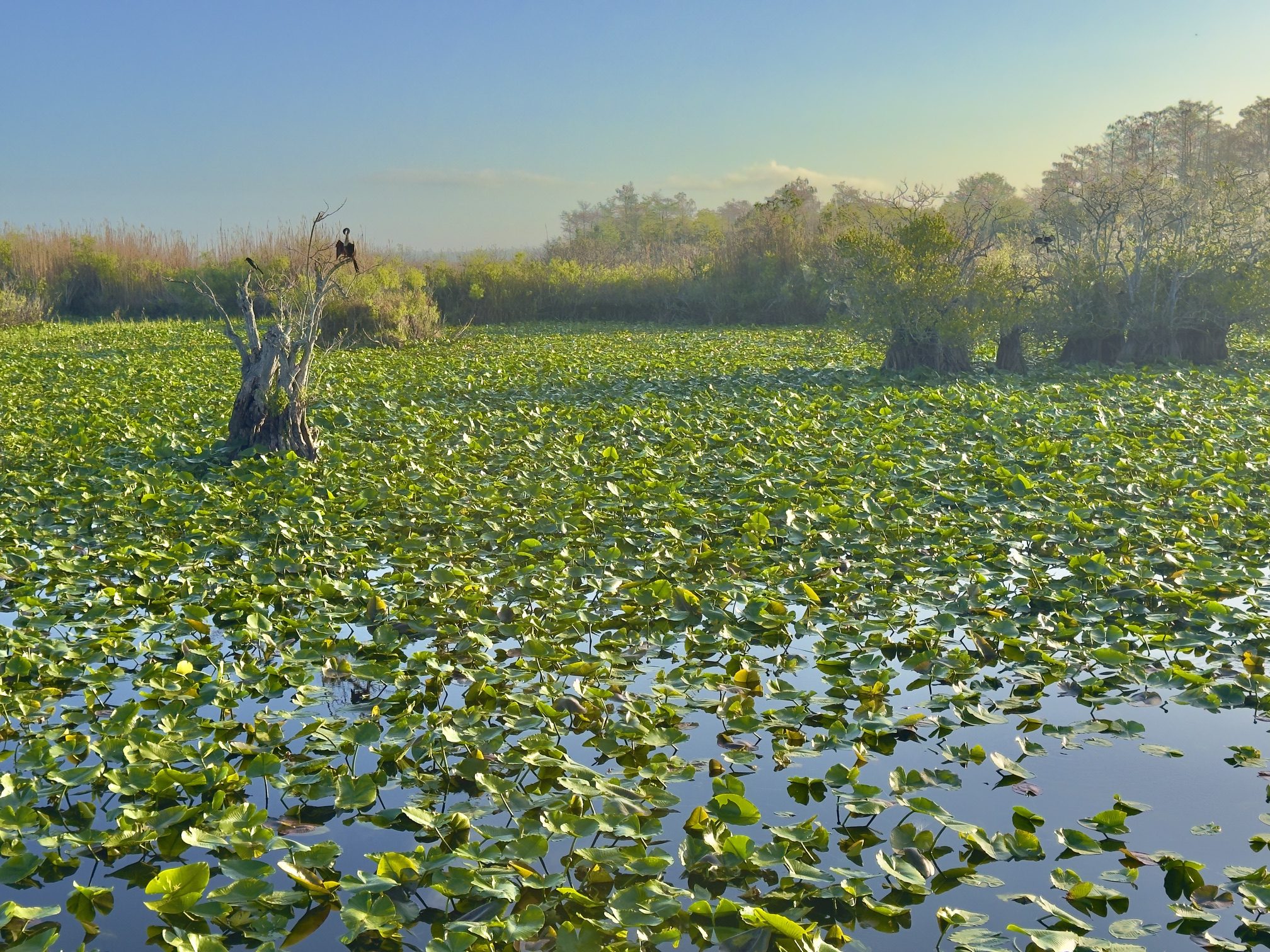
Since much of Everglades National Park is flat and accessible, it is one of the best national parks in the United States for visitors seeking short, easy hikes with outstanding wildlife viewing. You don’t need to tackle long backcountry trails to experience the beauty of this unique subtropical wilderness. Many of the park’s best walks are less than a mile long and feature boardwalks, paved paths, and observation platforms that bring you close to alligators, wading birds, turtles, and lush wetlands. These seven easy Everglades hikes offer an unforgettable introduction to the park and are perfect for first-time visitors, families, and anyone looking to explore the park at a relaxed pace.
The Best Time for Everglades Hikes
The best time to visit Everglades National Park is during the dry season from December through April. Temperatures are warm and comfortable, humidity is lower, and mosquitoes are far less abundant than during the wet summer months. Wildlife viewing is also at its peak because animals gather around shrinking water sources, making them easier to spot. Winter is especially rewarding for seeing manatees, which often congregate in warm-water areas when temperatures drop. While summer offers lush scenery and fewer crowds, heat, frequent thunderstorms, and intense mosquito activity can make outdoor activities less enjoyable. For the best overall experience, January through March is ideal.
Where to Stay
The best places to stay when visiting Everglades National Park depend on which entrance you plan to explore. For the main Homestead entrance, the city of Homestead is the most convenient, offering numerous hotels just minutes from the park. Homestead is only a 45-minute drive from Miami International Airport. Travelers interested in the Gulf Coast section may prefer Everglades City, located near the Gulf Coast Visitor Center. For easy airport access, abundant dining, and day trips, many visitors choose to stay in Miami and drive to the park.
Do You Need Entry Passes?
Everglades has an entrance fee of $35 per vehicle for 7 consecutive days. If these are the only parks you are visiting this year, then you should just purchase the individual park entrance fees. However, if you plan to visit multiple parks in a year, it may be worth purchasing an America the Beautiful park pass. This will allow you into all national parks for one single $80 fee. Also, if you have a 4th grader in your household, you can get a family pass for free to the national parks that is good for a year. Find out more about that benefit here.
What to Pack for Your Miami to Key West Road Trip
- Bug Spray – Mosquitoes can be relentless so, I highly recommend bringing some bug spray.
- Sunscreen – Protect you skin.
- Chapstick – Keep your lips moisturized with this 15 SPF chapstick.
- Water Bottle – Stay hydrated with this durable 32-ounce water bottle.
- Sunglasses – Shield your eyes with these men’s and women’s sunglasses.
- Walking Shoes – Make sure to bring comfortable men’s and women’s walking shoes.
7 Easy Everglades Hikes
1. Anhinga Trail
- Trail Length – 0.8 miles
- Elevation Gain – 0 feet
- Route Type – Loop
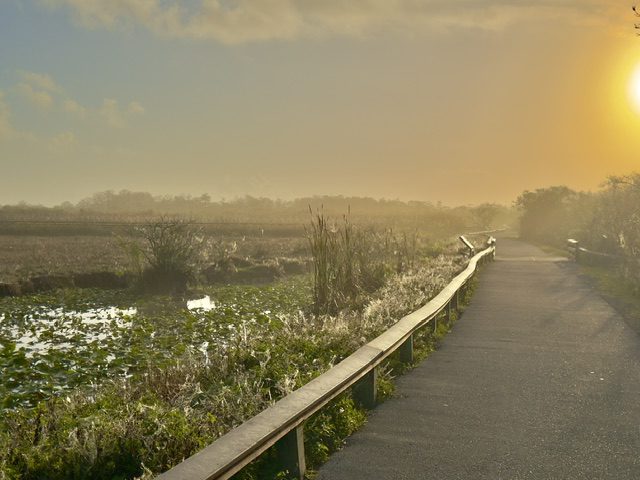
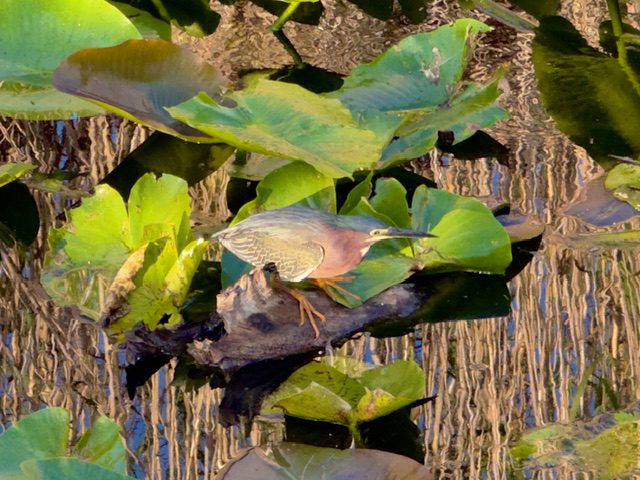
The Anhinga Trail is one of the most popular and rewarding Everglades hikes. Located near the Royal Palm Visitor Area, just a few miles from the park’s main Homestead entrance, this easy boardwalk trail provides an excellent introduction to the Everglades ecosystem. The trail is less than a mile round trip and is fully accessible, making it suitable for visitors of nearly all ages and fitness levels. Because it passes directly through a freshwater marsh, wildlife is often visible at remarkably close distances. Visitors frequently spot alligators resting beside the boardwalk, turtles sunning on logs, and a wide variety of wading birds feeding in the shallow water.
The trail is named after the anhinga, a distinctive water bird sometimes called the “snakebird” because it often swims with only its long neck above the water. Anhingas are commonly seen drying their wings on branches along the trail, creating excellent photo opportunities. Other birds regularly observed include herons, egrets, cormorants, ibis, and wood storks. During the dry season, generally from December through April, wildlife viewing is especially impressive because animals concentrate around the remaining water sources. The boardwalk’s elevated design allows visitors to safely observe wildlife while minimizing disturbance to the natural habitat.
One of the greatest advantages of the Anhinga Trail is the amount of wildlife that can be seen with very little effort. This trail delivers outstanding scenery and animal encounters within a short walk. Early morning and late afternoon are often the best times to visit. Temperatures are cooler and wildlife tends to be more active. For first-time visitors to the Everglades, the Anhinga Trail is often considered a must-see attraction and one of the best places in the park to experience the unique wetlands that make this ecosystem famous.
2. Gumbo Limbo Trail
- Trail Length – 0.5 miles
- Elevation Gain – 0 feet
- Route Type – Loop
The Gumbo Limbo Trail is one of the most unique and accessible Everglades hikes. This trail is located near the Royal Palm area. While many people associate the park with open marshes and sawgrass prairies, the Gumbo Limbo Trail winds through a dense tropical hardwood hammock filled with shade-loving plants and towering trees. The trail is a paved making it suitable for visitors of all ages and fitness levels.
As you walk beneath the forest canopy, you’ll notice a cooler and quieter environment than the nearby wetlands. The trail is named after the gumbo limbo tree, a distinctive species known for its reddish peeling bark that resembles sunburned skin. Because of this appearance, the tree is sometimes nicknamed the “tourist tree.” Along the route, interpretive signs explain the unique ecology of the hardwood hammock and highlight the many plant species that thrive in this protected habitat. Ferns, air plants, strangler figs, and wild tamarind trees are commonly seen throughout the forest.
Although wildlife sightings are generally less frequent here, observant visitors may spot lizards, butterflies, and birds. The shaded path also makes the trail an excellent option during the warmer months. Because of its short length and proximity to other popular attractions, many visitors combine the Gumbo Limbo Trail with the Anhinga Trail for a well-rounded introduction to the Everglades. Together, these two easy walks showcase the remarkable diversity of habitats found within one of America’s most unique national parks.
3. Shark Valley Tram Road
- Trail Length – 14.9 miles
- Elevation Gain – 26 feet
- Route Type – Loop
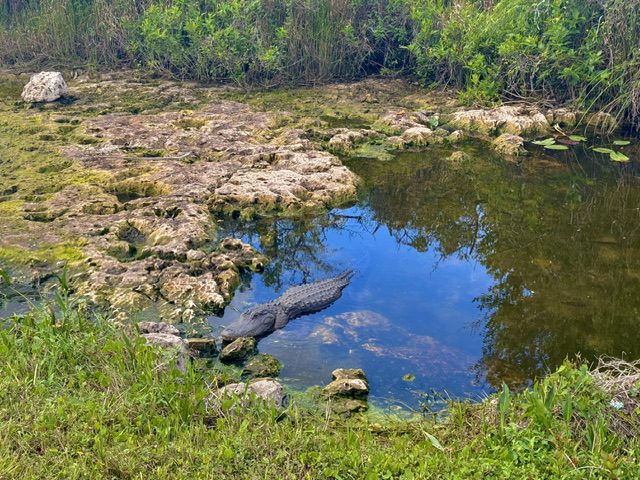
The Shark Valley Tram Trail is one of the most popular ways to experience Everglades National Park and offers some of the best wildlife viewing in the entire park. Located in the Shark Valley area near the park’s northern boundary, the trail follows a paved 15-mile loop through the heart of the Everglades. Despite its length, many visitors enjoy the trail without walking the entire route. The flat pavement makes it easy to stroll as far as you like before turning around and returning to the visitor center. This flexibility allows visitors to enjoy the scenery and wildlife without committing to a full-day hike. Along the route, it is common to see alligators, turtles, wading birds, and other wildlife just a short distance from the trail.
One of the highlights of the loop is the observation tower located about seven miles from the visitor center. From the top, visitors can enjoy sweeping views across the vast River of Grass and gain a better appreciation for the scale of the Everglades ecosystem. While hikers and cyclists can reach the tower on their own, many visitors prefer to ride the narrated Shark Valley Tram. The tram provides an informative guided tour led by naturalists who explain the area’s wildlife, ecology, and history while stopping for animal sightings along the way. Riding the tram is an excellent option for visitors who want to see more of the park without walking or biking long distances.
Because tram tours are extremely popular, especially during the dry season from December through April, it is wise to reserve tickets in advance. Tickets can typically be purchased online through the Shark Valley Tram Tours website before your visit, and advance reservations are strongly recommended during peak travel periods. Whether you choose to ride the tram, bike the loop, or simply walk a portion of the trail, the Shark Valley Tram Trail offers one of the most memorable and accessible Everglades hikes available.
4. Mahogany Hammock Trail
- Trail Length – 0.4 miles
- Elevation Gain – 0 feet
- Route Type – Loop
The Mahogany Hammock Trail is one of the most beautiful and distinctive short Everglades hikes. Located along the scenic Main Park Road about 20 miles north of Flamingo, this easy boardwalk trail provides visitors with an opportunity to explore one of the largest living mahogany forests in the United States. The loop is only about half a mile long and is completely flat, making it an excellent choice for families, casual hikers, and anyone looking for a peaceful walk through a unique ecosystem. Unlike the open marshes that many visitors associate with the Everglades, Mahogany Hammock immerses you in a dense tropical forest filled with towering trees, lush vegetation, and abundant shade.
The boardwalk winds through a hardwood hammock, an elevated island of trees that rises slightly above the surrounding wetlands. These hammocks support a remarkable diversity of tropical plant species that are rarely found elsewhere in the continental United States. Along the trail, visitors can see massive mahogany trees, gumbo limbo trees, air plants, ferns, orchids, and strangler figs. Interpretive signs help explain how these forested islands survive within the larger Everglades ecosystem. The trail’s highlight is a giant mahogany tree that is believed to be the largest living mahogany tree in the United States, standing as a reminder of the extensive logging that once threatened these forests.
Although wildlife sightings are not as common here as on the Anhinga Trail, patient visitors may spot songbirds, woodpeckers, tree snails, lizards, and butterflies among the vegetation. The shaded environment also makes Mahogany Hammock one of the most comfortable hikes in the park during warmer weather. Because it offers a completely different landscape from the Everglades’ famous sawgrass marshes, the trail provides an excellent complement to other short walks in the park. For visitors looking to experience the surprising diversity of habitats found within the Everglades, Mahogany Hammock is a short but memorable stop.
5. Pa-Hay-Okee Overlook
- Trail Length – 0.2 miles
- Elevation Gain – 0 feet
- Route Type – Loop
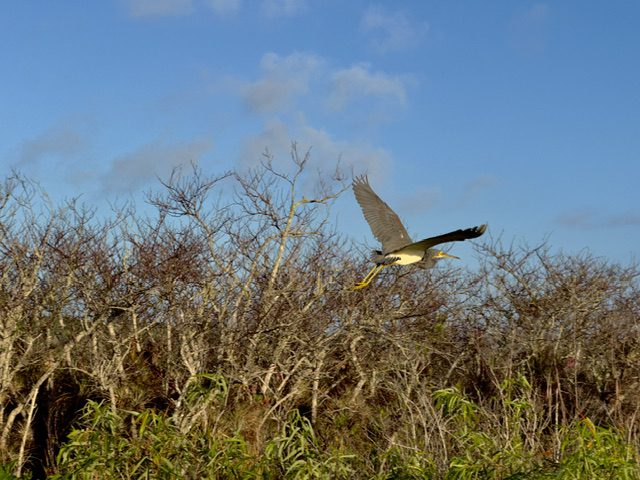
The Pa-hay-okee Overlook Trail offers one of the most impressive panoramic views in Everglades National Park despite being one of its shortest walks. Located along the Main Park Road between Royal Palm and Flamingo, this easy trail is only about a quarter mile round trip and follows a raised boardwalk to an observation platform overlooking the vast River of Grass. The name “Pa-hay-okee” comes from the Seminole language and means “grassy waters,” a fitting description for the seemingly endless expanse of sawgrass marsh that stretches to the horizon. Because the walk is short, flat, and accessible, it is an ideal stop for visitors of all ages and abilities.
Unlike trails that immerse visitors within forests or wetlands, the Pa-hay-okee Overlook Trail is all about perspective. From the elevated viewing platform, visitors can appreciate the immense scale of the Everglades and better understand why this ecosystem is often referred to as a slow-moving river rather than a swamp. Looking out across the landscape, you’ll see broad fields of sawgrass interspersed with tree islands, distant hammocks, and winding sloughs that support the park’s incredible biodiversity. Interpretive signs along the boardwalk explain how water flows through the Everglades and how subtle differences in elevation create a variety of habitats for plants and animals.
Wildlife sightings vary depending on the season, but visitors may spot wading birds, hawks, vultures, and other species soaring above the marsh. The overlook is also an excellent location for photography, particularly during sunrise or late afternoon when the low-angle light adds depth and texture to the landscape. While the trail itself requires only a few minutes to walk, many visitors spend considerably longer at the observation deck simply taking in the view. For those wanting to experience the grandeur and scale of the Everglades without undertaking a long hike, Pa-hay-okee Overlook is one of the park’s most rewarding and memorable stops.
6. Coastal Prairie Trail (near Flamingo)
- Trail Length – 12.4 miles
- Elevation Gain – 16 feet
- Route Type – Out and back
The Coastal Prairie Trail offers a completely different experience from the boardwalks and short nature trails found elsewhere in Everglades National Park. Beginning near the Flamingo area at the southern end of the park, this trail crosses a vast open coastal prairie on its way toward Florida Bay. Unlike trails shaded by forests or hammocks, the Coastal Prairie Trail traverses an expansive landscape of grasses, salt-tolerant vegetation, and wetlands that stretch toward the horizon. The trail provides visitors with a rare opportunity to experience one of the Everglades’ most remote and scenic ecosystems while enjoying panoramic views that are difficult to find elsewhere in the park.
Although the full trail extends for several miles, many visitors choose to walk only a short section before turning around. This approach allows hikers to experience the unique scenery without committing to a long trek. The first portion of the trail is relatively flat and easy to follow, making it accessible to visitors who want a taste of the coastal prairie environment. Along the route, hikers may spot a variety of wildlife, including wading birds, raptors, butterflies, and occasionally deer. The openness of the landscape also makes it an excellent location for birdwatching, especially during migration seasons when numerous species pass through the Everglades.
One of the trail’s greatest attractions is its sense of solitude and wide-open space. With few trees and unobstructed views, visitors can appreciate the immense scale of the Everglades and its connection to Florida Bay. Because shade is extremely limited, carrying plenty of water, wearing sun protection, and avoiding the hottest part of the day are essential. While many visitors enjoy only a short out-and-back walk, those seeking a more immersive Everglades experience may choose to venture farther along the trail. Either way, the Coastal Prairie Trail provides a memorable glimpse into one of the park’s most distinctive and least-visited landscapes.
7. Bear Lake Trail
- Trail Length – 3.5 miles
- Elevation Gain – 3 feet
- Route Type – Out and back
Bear Lake Trail offers visitors a chance to experience a quieter and less-visited side of Everglades National Park. Located along the Main Park Road on the way to Flamingo, this trail leads through a diverse landscape of pine rockland, tropical vegetation, and wetland habitats before reaching the shores of Bear Lake. At approximately 1.6 miles round trip, it is longer than many of the park’s popular boardwalk trails but remains accessible for most visitors looking for a relatively easy hike. Because the trail travels away from the road and into a more natural setting, it provides a greater sense of solitude than many of the park’s busiest attractions.
The hike begins beneath a canopy of slash pines and native vegetation characteristic of the Everglades’ unique pine rockland ecosystem. As visitors continue along the trail, the scenery gradually changes, offering glimpses of wetlands and wildlife habitat. Depending on the season, hikers may spot birds, butterflies, lizards, and other native species along the route. The trail eventually reaches Bear Lake, a peaceful freshwater lake surrounded by vegetation. The lake provides a scenic destination and a quiet place to pause before retracing your steps back to the trailhead.
One of the appeals of Bear Lake Trail is that it feels more like a traditional hiking experience than many of the Everglades’ boardwalks and overlooks. Visitors should be prepared for uneven terrain, occasional muddy sections, and mosquitoes, especially during the wet season. Wearing closed-toe shoes and bringing insect repellent is highly recommended. While it may not offer the constant wildlife viewing found on trails such as Anhinga or Shark Valley, Bear Lake Trail rewards visitors with a more immersive experience and a glimpse of habitats that many park visitors never take the time to explore. For those seeking a peaceful nature walk away from the crowds, it can be a worthwhile stop.
Other Notable Easy Walks
- Pinelands Trail — Short paved loop through pine rockland.
- West Lake Trail — Boardwalk through mangroves to a lake edge.
- Bobcat Boardwalk & Otter Cave Hammock — Easy Shark Valley area boardwalks.
- Guy Bradley Trail — 1.5 mi walk along Florida Bay shoreline.
- Eco Pond Trail — Short bird-rich loop around a freshwater pond.
You May Also Be Interested In
The Ultimate Miami to Key West Road Trip
The 11 Best Things to Do in Key West, Florida
How to Spend 2 Days in St. Augustine, Florida
Go On a National Park Road Trip! 12 Incredible 1-Week Itineraries