Rome is one of those rare cities where every street feels like an open-air museum. Around nearly every corner you’ll find ancient ruins, magnificent churches, and lively piazzas. It’s a destination that effortlessly blends nearly 3,000 years of history with the energy of modern Italian life. While you could easily spend a week exploring the Eternal City, this 3 days in Rome itinerary is enough time to experience many of Rome’s iconic landmarks. From standing inside the mighty Colosseum to marveling at the Vatican’s incredible art, this itinerary is designed to help you make the most of your visit without feeling rushed.
Best Time to Visit for Your 3 Days in Rome Itinerary
The best time to visit Rome is during the spring (April to early June) and fall (late September through October). During these months, you’ll enjoy pleasant temperatures that are perfect for sightseeing, outdoor dining, and wandering the city’s historic streets. Daytime highs typically range from the mid-60s to upper 70s°F (18–26°C). These shoulder seasons also tend to have smaller crowds than peak summer. Visit on weekdays or arrive at popular attractions early in the morning to avoid even more crowds.
If your goal is to avoid crowds, consider visiting in November or February. While temperatures are cooler during these months, you may encounter occasional rain. However, you’ll experience shorter lines, lower hotel prices, and a more authentic atmosphere.
The busiest—and arguably the most challenging—time to visit Rome is from mid-June through August. Summer brings scorching temperatures that frequently exceed 90°F (32°C), long lines at major attractions, crowded streets, and higher hotel rates. July and August are particularly hot, making afternoons uncomfortable for sightseeing. The weeks surrounding Easter and the Christmas holidays can also be exceptionally crowded due to religious pilgrims and holiday travelers.
How to Get Around Rome
Getting around Rome is surprisingly easy, and you’ll likely use a combination of walking and public transportation during your visit. The city’s historic center is remarkably walkable, with many of the most famous attractions, including the Pantheon, Trevi Fountain, Piazza Navona, and the Spanish Steps, located within a 20- to 30-minute walk of one another. Strolling through Rome’s cobblestone streets is part of the experience. You will discover beautiful churches, hidden piazzas, and neighborhood cafés you might otherwise miss.
For longer distances, Rome’s Metro is the fastest way to travel. Although the system has only three lines, it connects many major attractions, including the Colosseum, the Vatican Museums, and Roma Termini, the city’s main train station. Buses and trams fill in the gaps where the Metro doesn’t reach. Keep in mind that buses can be delayed by Rome’s busy traffic, so allow extra travel time.
A hop-on hop-off sightseeing bus can be a convenient way to see the city’s major landmarks. These buses stop at many of Rome’s top attractions, allowing you to enjoy onboard commentary about the city’s history. However, they are generally slower than the Metro due to traffic and are best used for sightseeing rather than efficient transportation.
Where to Stay in Rome
Choosing the right neighborhood can make your 3 days in Rome itinerary much more enjoyable, as each area offers a different atmosphere. For first-time visitors, the Historic Center (Centro Storico) is one of the best places to stay. You’ll be within walking distance of iconic attractions like the Pantheon, Piazza Navona, the Trevi Fountain.
If you want to be close to Rome’s nightlife and good food, Trastevere is an excellent choice. This charming neighborhood is known for its narrow cobblestone streets, lively piazzas, and authentic trattorias, though it can be a bit noisier in the evenings.
Travelers planning to spend a significant amount of time exploring Vatican City may prefer staying in the Prati neighborhood. It offers quieter streets, excellent shopping, and easy access to both the Vatican and the Metro. If convenience is your top priority, the area around Roma Termini provides the city’s best transportation connections and often has some of Rome’s most affordable hotels, making it a great option for travelers on a budget.
Important Things to Know
- Currency. Italy uses the Euro (€). Credit and debit cards are widely accepted throughout Rome. But it’s a good idea to carry €20–€50 in cash for small cafés, public restrooms, or markets for small purchases.
- Visa Requirements. U.S., Canadian, U.K., Australian, and many other travelers can visit Italy for up to 90 days without a visa for tourism. Just make sure your passport is valid for at least three months beyond your planned departure from the Schengen Area. Always check the latest entry requirements before your trip, as regulations can change.
- Book Major Attractions in Advance. Popular sites frequently sell out days or even weeks ahead, especially from April through October. Purchasing timed-entry tickets in advance can save hours of waiting in line.
- Wear Comfortable Shoes. Rome is best explored on foot, and you’ll likely walk 8–12 miles each day. The city’s beautiful cobblestone streets can be uneven, so supportive walking shoes are a must.
- Carry a Reusable Water Bottle. Refilling your bottle throughout the day can save money and help you stay hydrated during long sightseeing days.
- Be Aware of Pickpockets. Like many major European cities, Rome has pickpockets, particularly around tourist attractions, Metro stations, and crowded buses. Keep valuables in a zippered crossbody bag and avoid storing your wallet or phone in your back pocket.
- Dress Appropriately for Churches. If you plan to visit churches or Vatican City, wear clothing that covers your shoulders and knees. Visitors wearing tank tops, short shorts, or revealing clothing may be denied entry.
- Don’t Eat Next to the Biggest Tourist Attractions: Restaurants directly beside famous landmarks often charge higher prices for average food. Walk just a few blocks away, and you’ll usually find better meals at lower prices.
What to Pack for Your 3-Day Rome Itinerary
- Sunscreen – The Roman sun can be unforgiving, and I learned the hard way that sunscreen is a must. If you have room in your luggage, bring your own because sunscreen in Italy can be very expensive.
- Comfortable shoes – Stylish but comfortable is the name of the game when walking around the city. Here is an option for men and women.
- Rolling Luggage – You will need a durable and easy to maneuver piece of luggage for your 3 days in Rome itinerary.
- Packing Cubes – These make organizing your luggage super easy.
- Plug Adapter – Keep your devices charged with this European plug adapter.
- Portable Battery – This portable battery fits most electronic plugs and can be charged with the USB cord.
- Hobo Bag – I often carry this cute hobo bag on my travels. It isn’t too big but big enough to carry small souvenirs I buy along the way. Plus this style bag helps deter pick pocketers.
- Women Outfits Ideas:
3 Days in Rome Itinerary
Day 1 of 3 Days in Rome Itinerary
Vatican City
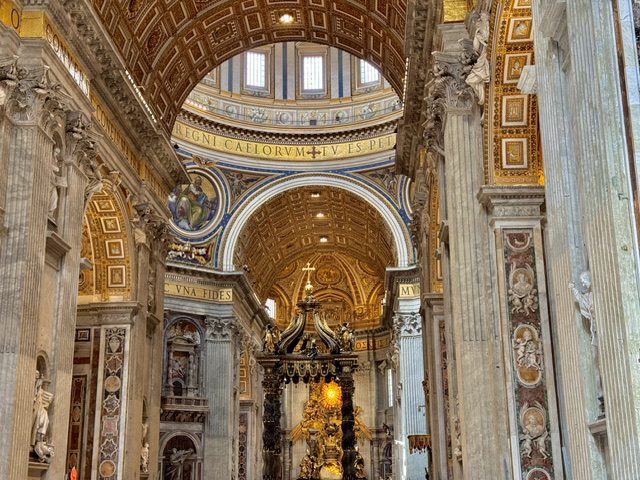
No trip to Rome is complete without visiting Vatican City. It’s the world’s smallest independent country and home to some of the most remarkable religious and artistic treasures ever created. Even if you’re not religious, the Vatican’s history, architecture, and art make it one of the city’s absolute highlights. Plan to spend at least half a day exploring the Vatican Museums, the breathtaking Sistine Chapel, and St. Peter’s Basilica.
Vatican Museum
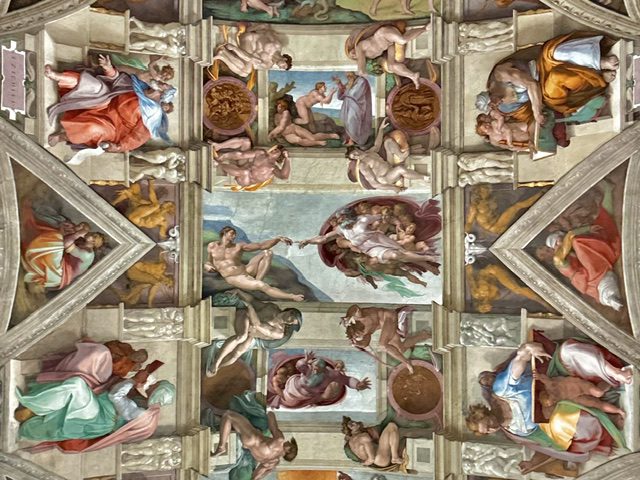
The Vatican Museums are one of the most visited museums in the world, and tickets often sell out. As soon as you know your travel dates, purchase your tickets through the official Vatican Museums website. Avoid third-party ticket sellers whenever possible, as they often charge significantly higher prices. You can book directly through the official Vatican Museums website at Vatican Museums Tickets.
To avoid the largest crowds, reserve one of the earliest entry times of the day, ideally between 8:00 and 9:00 a.m. The museums become noticeably busier by late morning, and the Sistine Chapel can be shoulder-to-shoulder with visitors during peak season. If morning tickets are unavailable, visiting during the last few hours before closing is generally quieter than the middle of the day.
St. Peter’s Basilica
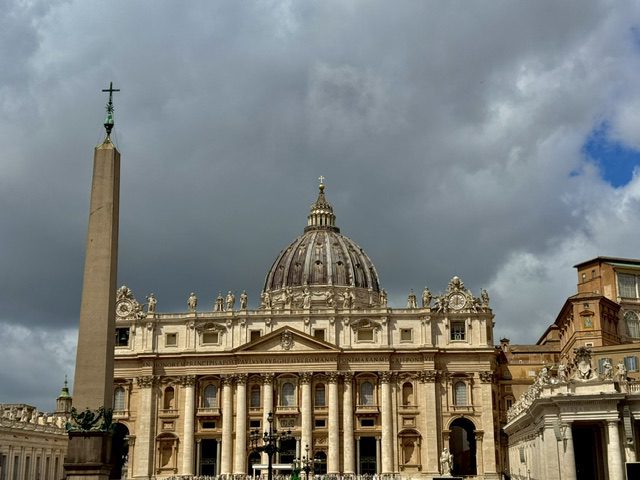
After touring the museums, head to St. Peter’s Basilica, one of the most spectacular churches in the world. Admission to the Basilica itself is free, although everyone must pass through airport-style security. The shortest security lines are usually before 8:00 a.m. or later in the afternoon after many tour groups have departed. If you want to climb to the top of the dome or reserve an official audio guide or guided visit, book through the official St. Peter’s Basilica website at St. Peter’s Basilica Official Booking.
Finally, remember to dress appropriately. Both men and women should have their shoulders and knees covered.
Castel Sant’Angelo
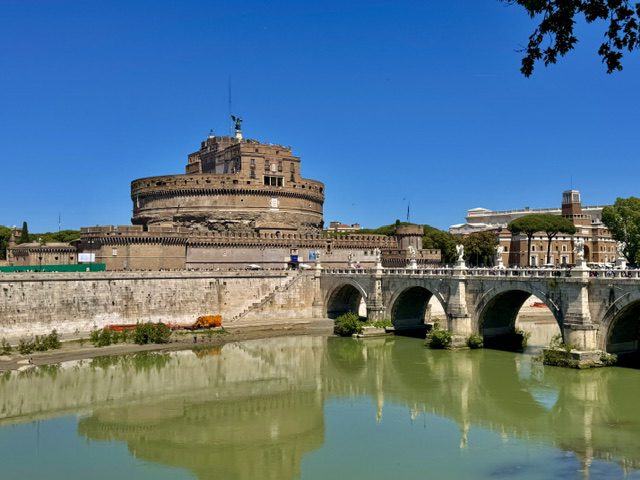
Located just a short walk from Vatican City, Castel Sant’Angelo is one of Rome’s most fascinating landmarks. Originally built in the 2nd century as the mausoleum for Emperor Hadrian, the massive fortress has served as a military stronghold, papal residence, prison, and even a refuge for popes during times of conflict. Today, visitors can explore its impressive collection of historic rooms, spiral ramps, and museum exhibits while learning about nearly 2,000 years of Roman history. Be sure to make your way to the rooftop terrace, where you’ll be rewarded with some of the best panoramic views of Rome, including St. Peter’s Basilica, the Tiber River, and the city’s iconic skyline.
River Walk
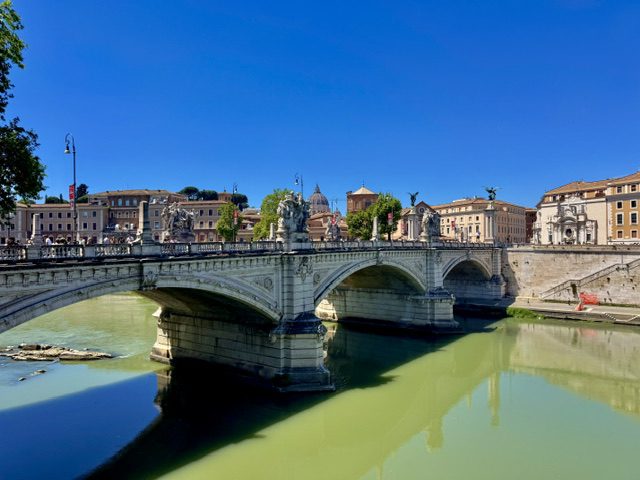
After exploring the castle, take time to enjoy a leisurely walk along the Tiber River. The riverside paths offer a peaceful escape from Rome’s busy streets and provide beautiful views of the city’s historic bridges and colorful buildings. Cross the picturesque Ponte Sant’Angelo, lined with striking angel statues designed by Gian Lorenzo Bernini. In the summer months, the riverbanks often come alive with seasonal markets.
Travestere
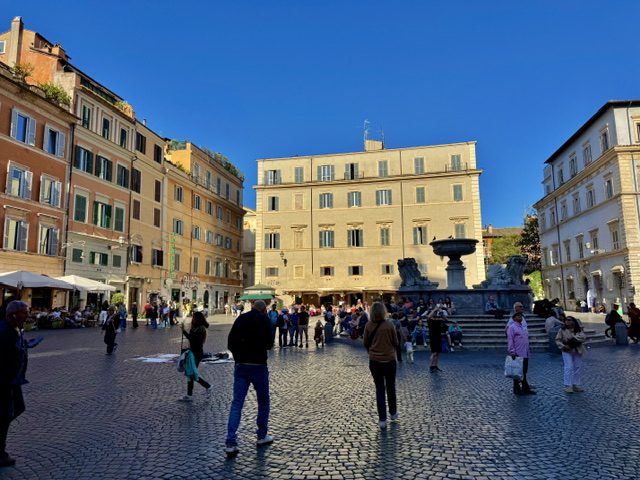
End the day in your 3 days in Rome itinerary in Trastevere, one of Rome’s most charming and authentic neighborhoods. Known for its narrow cobblestone streets, ivy-covered buildings, and lively piazzas, Trastevere offers a welcome break from the city’s busiest tourist attractions. Spend some time wandering the picturesque alleyways, browsing local shops, and visiting the beautiful Basilica of Santa Maria in Trastevere before settling in for dinner. This neighborhood is home to some of Rome’s best trattorias. Enjoy classic Roman dishes like cacio e pepe, carbonara, or saltimbocca. As the sun sets, Trastevere comes alive with street musicians, outdoor dining, and a vibrant atmosphere.
Day 2 of 3 Days in Rome Itinerary
Colosseum
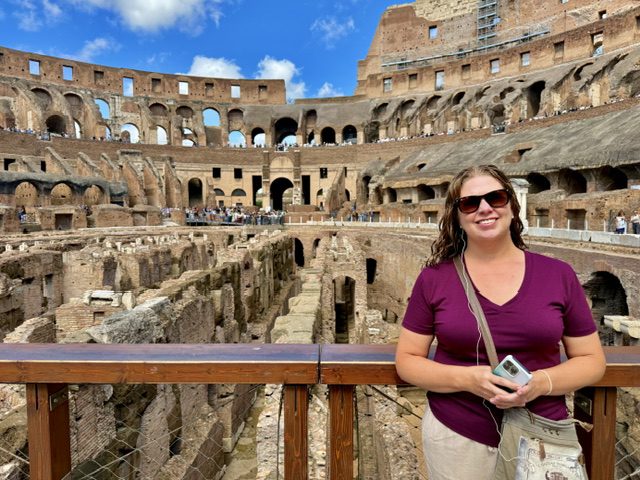
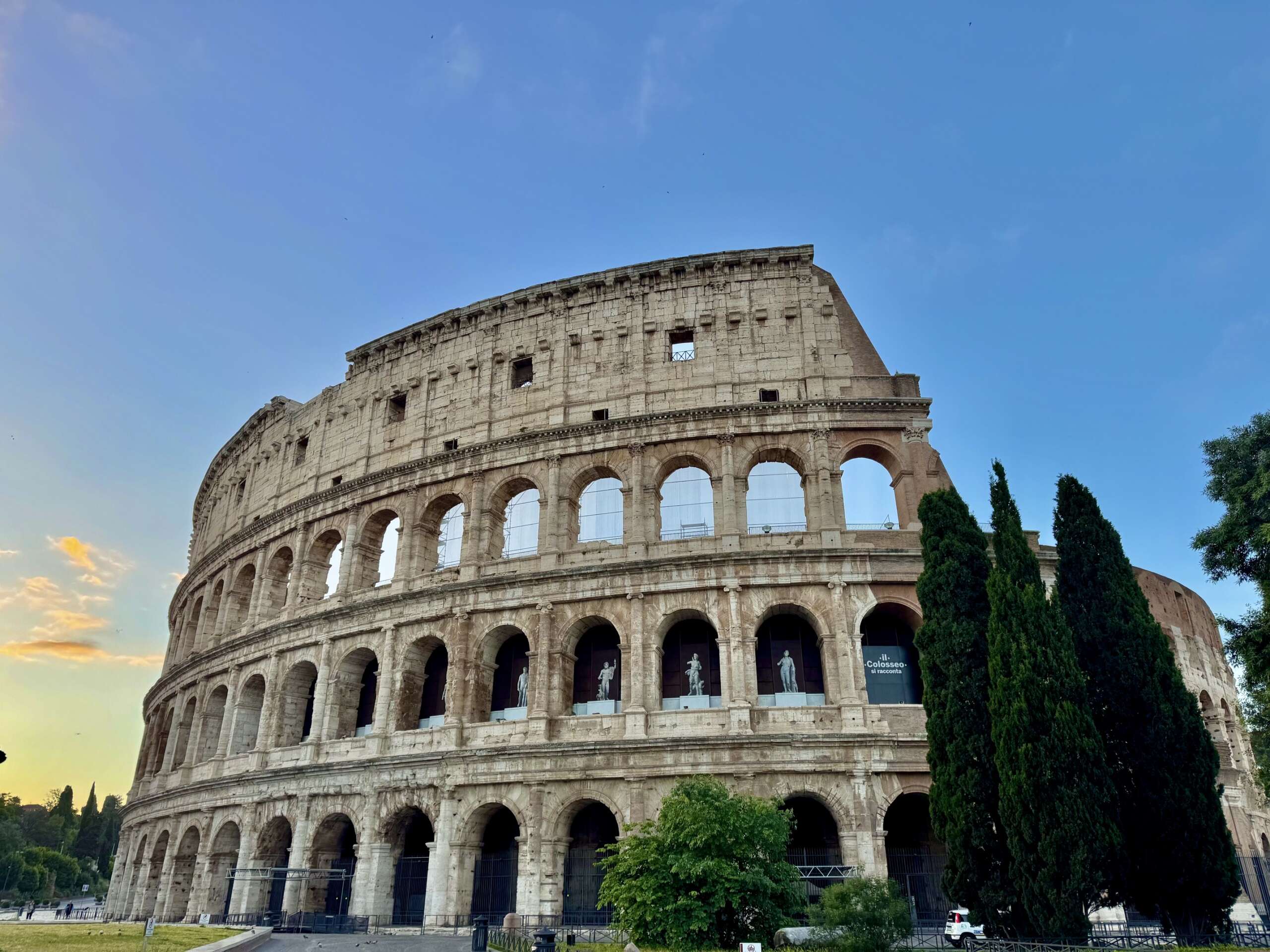
Begin the second day of your 3 days in Rome itinerary by exploring Rome’s most iconic landmark, THE Colosseum. Built nearly 2,000 years ago, this incredible amphitheater once held more than 50,000 spectators who gathered to watch gladiator battles, wild animal hunts, and elaborate public spectacles. Standing inside the Colosseum is one of those unforgettable travel experiences. It truly brings ancient Rome to life, making it a must-see on any visit to the Eternal City.
Because it is one of Italy’s most popular attractions, I highly recommend purchasing tickets as soon as you know your travel dates. During the spring, summer, and fall, tickets—especially special access tours—can sell out weeks in advance. Purchase your tickets directly from the official Colosseum website at https://colosseo.it to avoid paying inflated prices through third-party sellers.
If your schedule allows, book the Underground Tour. This guided experience grants access to areas that standard admission doesn’t include. Walk through the underground tunnels where gladiators and exotic animals waited before entering the arena. You’ll also visit sections of the arena floor and restricted areas that provide a fascinating behind-the-scenes look at how the Colosseum operated nearly two millennia ago. In my opinion, it’s well worth the additional cost and is one of the highlights of visiting Rome.
Roman Forum and Palatine Hill
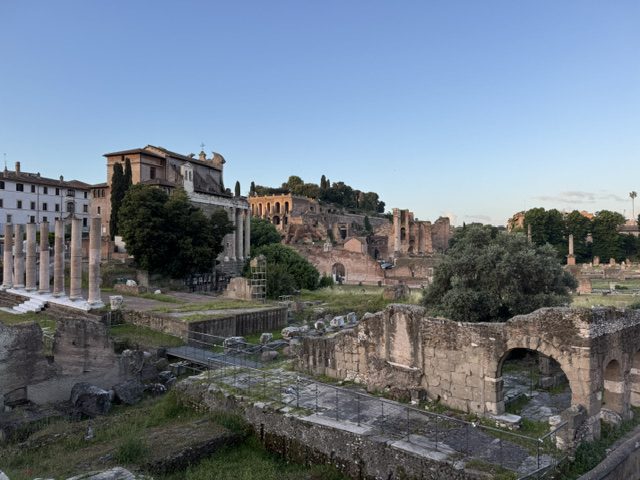
After visiting the Colosseum, continue your journey through ancient Rome by exploring the Roman Forum and Palatine Hill. These are both included with your Colosseum ticket. On your way to the forum, stop at Basilica of Santa Francesca Romana. Then continue to the Roman Forum. It was once the political, religious, and commercial heart of the Roman Empire. Here temples, government buildings, and public squares shaped daily life. Just above the Forum, Palatine Hill is believed to be the birthplace of Rome and offers fascinating archaeological ruins along with beautiful gardens and panoramic views of the city. Plan to spend 2–3 hours exploring these remarkable sites.
Capitoline Hill
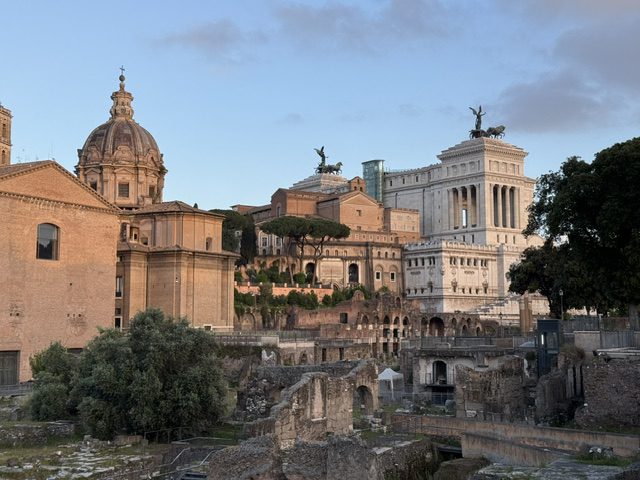
Capitoline Hill is one of Rome’s seven ancient hills and offers a perfect blend of history, art, and sweeping city views. Designed in part by Michelangelo, the Capitoline Museums house an impressive collection of ancient Roman statues, artifacts, and Renaissance masterpieces, including the famous she-wolf sculpture of Romulus and Remus. Piazza del Campidoglio is one of Rome’s most elegant squares, framed by stunning architecture and overlooking the Roman Forum below. Even if you don’t go inside the museums, it’s worth visiting for the views alone.
Piazza Venezia
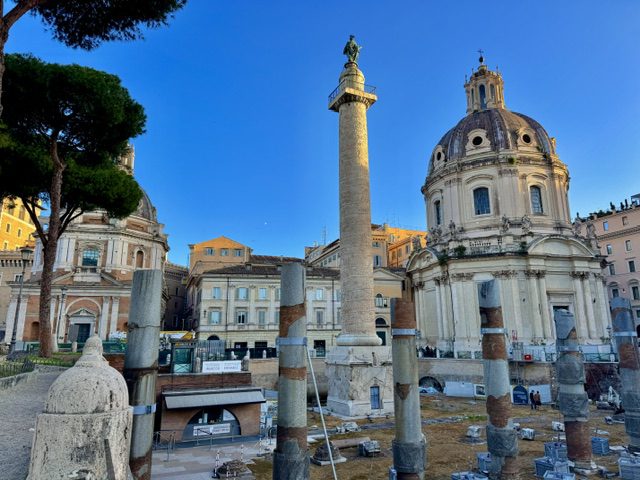
Piazza Venezia is one of Rome’s most central and bustling squares. It Serves as a major crossroads between ancient and modern parts of the city. Dominated by the massive Altare della Patria, also known as the Victor Emmanuel II Monument, the square is impossible to miss with its bright white marble and grand staircases. From here, you’re within walking distance of the Roman Forum, Capitoline Hill, and Via del Corso for shopping.
Victor Emmanuel II Monument
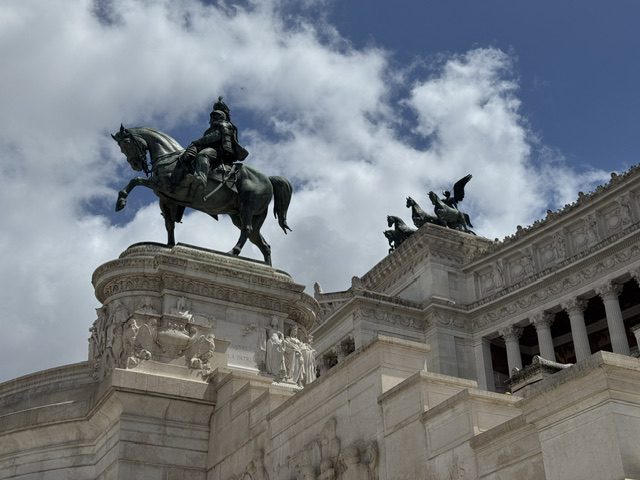
The Victor Emmanuel II Monument, also known as the Altare della Patria, is one of Rome’s most striking landmarks. Its gleaming white marble, grand staircases, and massive columns honor Italy’s first king. One of the best experiences here is taking the glass elevator to the rooftop terrace. It is well worth paying the small entrance fee to go up.
From the top, you get some of the most impressive panoramic views in Rome. The Roman Forum, Colosseum, and Capitoline Hill is all laid out below you in one sweeping scene. The bronze chariot statues and winged horses framing the skyline make it an unforgettable viewpoint and one of the best photo spots in the city. This is a great way to finish this second day of your 3 days in Rome itinerary.
Day 3 of 3 Days in Rome Itinerary
Spanish Steps and Piazza di Spagna
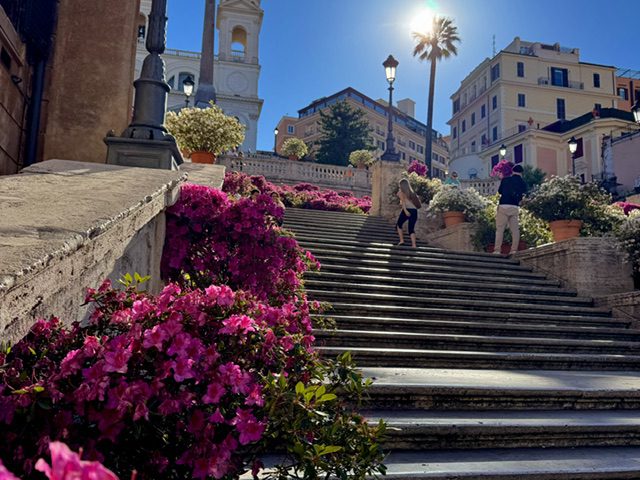
It is time to start the last day of your 3 days in Rome itinerary. The Spanish Steps and Piazza di Spagna are among Rome’s most famous and elegant gathering spots, offering a perfect place to pause during a day of sightseeing. The grand staircase of 135 steps connects the Piazza di Spagna below with the Trinità dei Monti church above.. At the base of the steps, the lively piazza is centered around the beautiful Barcaccia Fountain, designed by Bernini.
Trevi Fountain
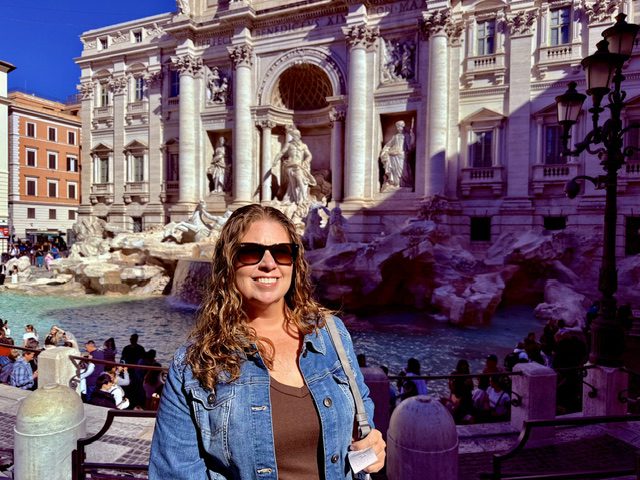
The Trevi Fountain is one of Rome’s most iconic landmarks and a must-visit stop on any itinerary. Designed in the Baroque style, this massive fountain is famous for its dramatic sculptures, flowing water, and the tradition of tossing a coin over your left shoulder to ensure a return to Rome. Because it is so popular, the city has introduced a crowd-management system aimed at reducing congestion in front of the fountain during peak hours.
During certain high-traffic time windows, visitors may be required to reserve a timed entry slot. You will have to pay a small nominal fee to access the fountain. Early mornings and later evenings remain the best times to visit without crowds or restrictions, when the atmosphere is much calmer and photos are easier to take.
Tickets for timed entry are generally available through the official Rome tourism portal at Rome Tourism Official Site. It’s best to check availability in advance, especially during spring and summer when demand is highest.
Sant’Ignazio di Loyola Church
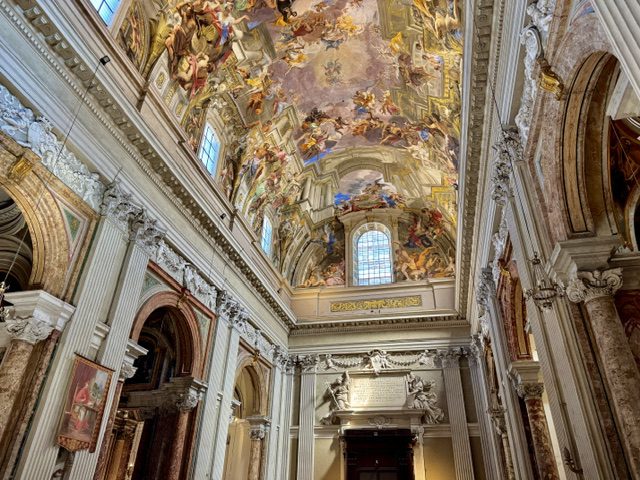
The Church of Sant’Ignazio di Loyola Church is one of Rome’s most stunning hidden gems, known for its breathtaking Baroque ceiling fresco that creates the illusion of a soaring dome. When you arrive, you may notice a line outside the entrance. Tis is typically not for entry into the church itself, but for the famous “mirror spot” used by visitors to take photos of the ceiling reflection. If capturing that perfect Instagram-style shot isn’t important to you, you can simply bypass the line and walk straight inside. Once inside, you’ll find a peaceful, less crowded space compared to other major churches in Rome.
Pantheon
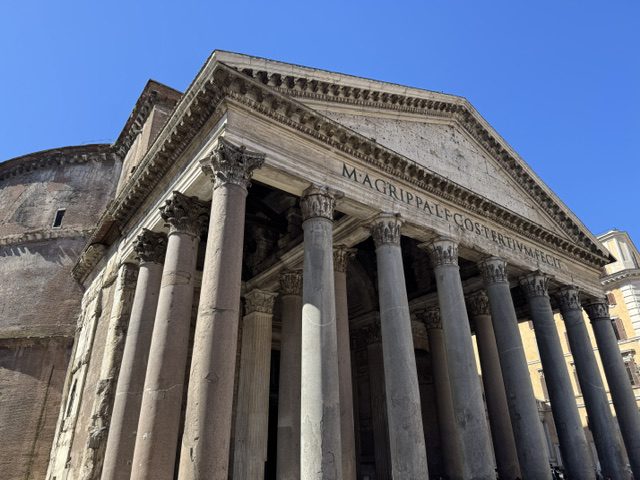
The Pantheon is one of the best-preserved ancient buildings in Rome and an absolute must-see on any itinerary. Originally built as a Roman temple and later converted into a church, it is famous for its massive domed roof and the perfectly circular oculus that opens directly to the sky. Standing inside and looking up at the dome is one of the most impressive architectural moments in the city.
Since 2023, entry to the Pantheon requires a paid ticket, so it’s no longer free to walk in as it once was. Tickets are relatively inexpensive, but lines can still form during peak midday hours. To save time, it’s best to book your entry slot in advance, especially during spring and summer travel seasons when crowds are heaviest.
Official tickets can be purchased through the Italian Ministry of Culture portal at https://www.museiitaliani.it. Morning visits right at opening or later in the afternoon tend to be the least crowded, giving you a more peaceful experience inside this extraordinary monument.
Piazza della Minerva
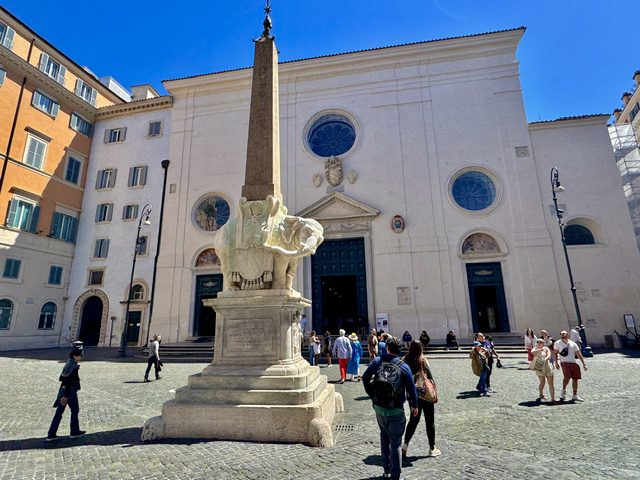
Tucked behind the Pantheon, Piazza della Minerva is a peaceful square that feels like a hidden retreat from Rome’s busy streets. Its centerpiece is the charming Elephant and Obelisk sculpture, designed by Gian Lorenzo Bernini. Overlooking the square is Santa Maria sopra Minerva, Rome’s only major Gothic church. Inside, visitors can admire magnificent artwork, including Michelangelo’s statue Christ the Redeemer, beautiful frescoes, and the tomb of Saint Catherine of Siena. The quiet atmosphere makes this a wonderful stop to appreciate art, history, and a moment of calm.
Where Julius Caesar was Murdered
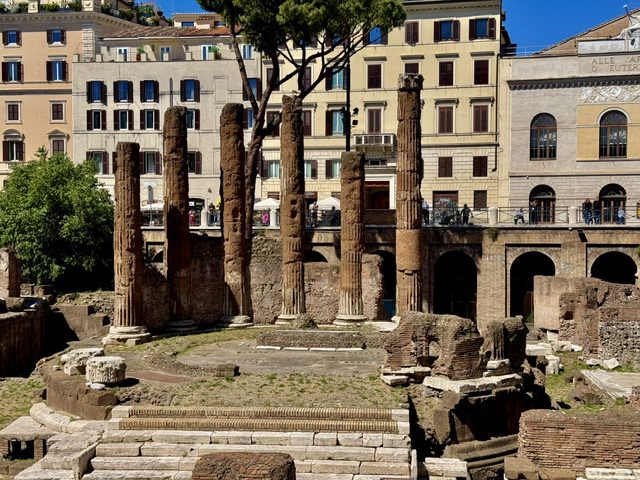
The site where Julius Caesar was assassinated in 44 BC is the Curia of Pompey, located within the Theatre of Pompey complex in ancient Rome. Today, the exact location is preserved near Largo di Torre Argentina, where excavated ruins sit below street level and are visible from above. This is one of the most significant political assassination sites in history and a highlight for visitors interested in Roman history. You can visit the open-air ruins freely and view them from the surrounding pedestrian walkways in central Rome. Entry is included with nearby archaeological area access and small museum displays onsite.
Piazza Navona
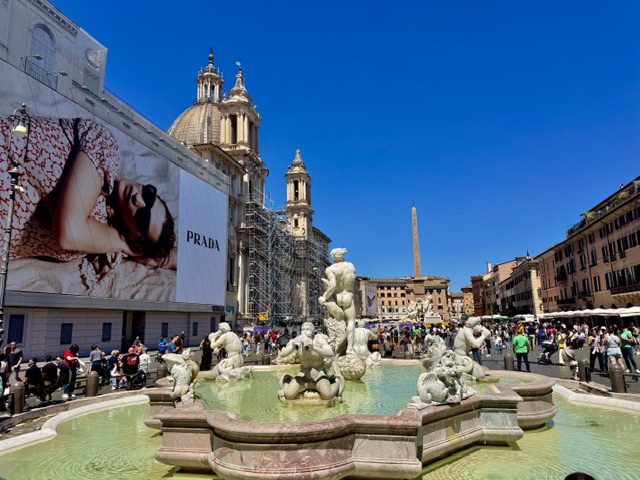
The Piazza Navona is one of Rome’s most beautiful and lively squares, built on the site of an ancient Roman stadium. Today, it is known for its elegant Baroque architecture, vibrant street life, and three stunning fountains, including Bernini’s famous Fountain of the Four Rivers at the center. The long oval shape of the piazza makes it perfect for strolling, people-watching, and soaking in the atmosphere of the city. Street artists, musicians, and outdoor cafés bring the square to life throughout the day and into the evening. It’s especially magical at sunset when the warm light highlights the surrounding palaces and churches.
Campo de Fiori
The Campo de’ Fiori is one of Rome’s most vibrant and atmospheric squares, especially worth visiting if you have extra time in your itinerary. By day, the square is home to a lively open-air market selling fresh produce, flowers, spices, and local goods, giving visitors a glimpse into everyday Roman life. It’s a great spot to wander, grab a snack, or pick up small souvenirs while soaking in the energy of the city.
In the evening, the market stalls disappear and the square transforms into a bustling nightlife hub filled with outdoor restaurants, wine bars, and crowds enjoying dinner and drinks late into the night. While it can feel touristy at times, it’s still one of the best places to experience Rome’s social atmosphere after dark. A quick stop here fits easily into a walking route between Piazza Navona and Trastevere, where you can spend another night for the last of your 3 days in Rome itinerary.
You Might Also Be Interested In
The Best Paris Itinerary: The Best 3-Day Itinerary
The Best 3-Day Prague Itinerary for First-Timers
3 Medieval German Towns Worth Visiting
The Best Way to Spend 3 Days in Barcelona
Croatia Itinerary: The Ultimate Bucket List Destination
12 Epic Must Do Things to Do in Istanbul, Turkey
How to Spend One Day in Athens Greece
The Best Greece 10-Day Itinerary: Athens, Santorini, and Mykonos