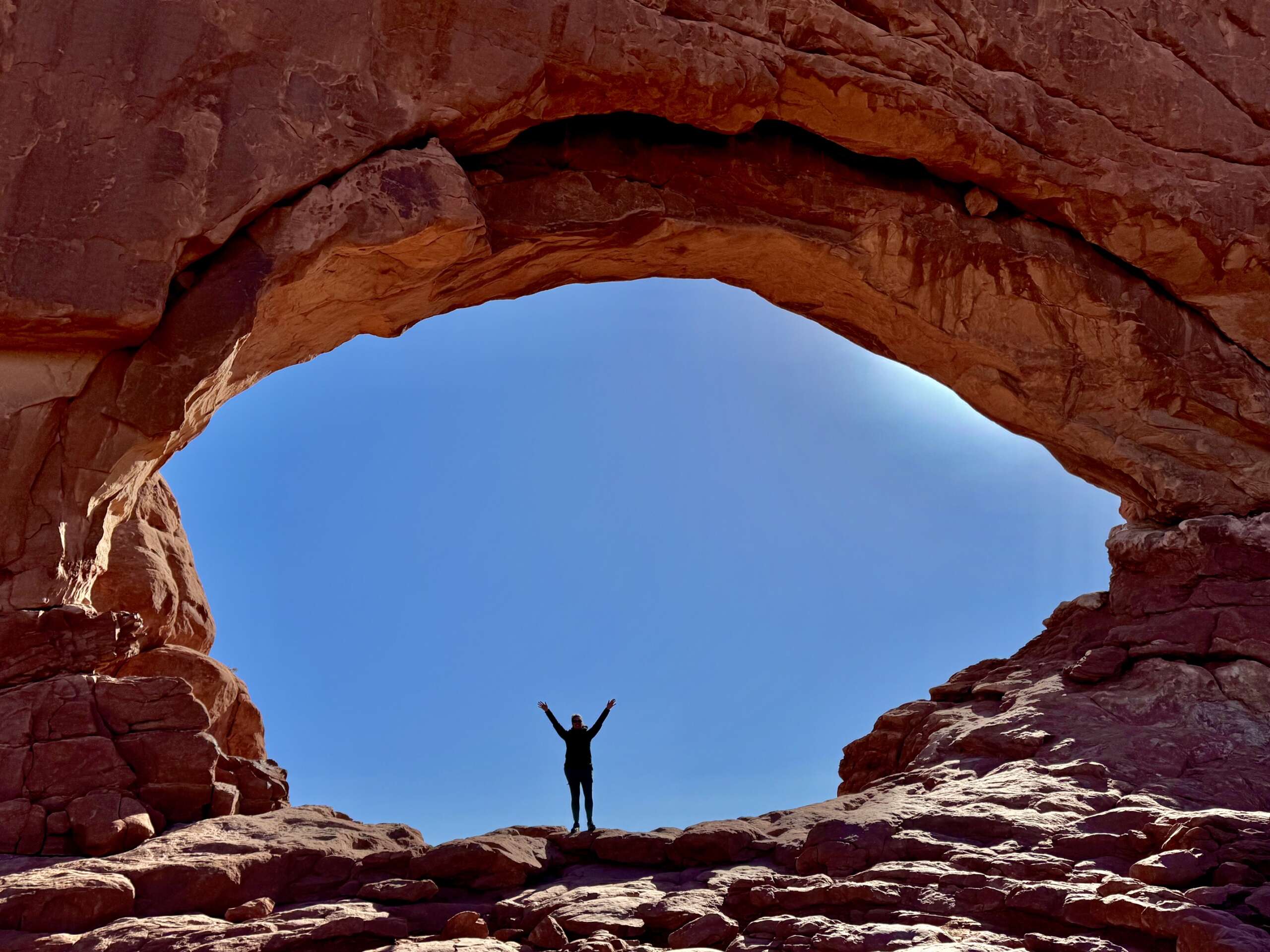
Planning a trip to Utah’s iconic red rock landscape? Exploring the best Arches National Park Hikes is one of the most rewarding ways to experience the park’s towering sandstone arches, dramatic fins, and breathtaking desert scenery. Whether you’re looking for a short, family-friendly walk or a challenging trek with unforgettable views, there’s a trail for every type of adventurer. In this guide, you’ll discover the 8 best Arches National Park hikes. Lace up your hiking boots and get ready to explore some of the most spectacular trails in the American Southwest.
Disclaimer: This post may contain affiliate links so if you make a purchase or booking through one of our links we might earn a small commission (but don’t worry, it’s no extra cost to you).
Best Time for Arches National Park Hikes
The best time to spend one day from Arches to Canyonlands is during the shoulder months of the summer season: April, May, September, and October. Temperatures during this time range from 60 to 80 degrees F. Summer months Utah are scorching hot plus the summer crowds can make it difficult to get all the highlights done in one day.
I often get alerts throughout the year that Arches National Park is full, and they are turning away visitors before 9:00 am. Since this will be a full day and because of the likelihood of Arches getting overcrowded, you should strive to arrive at or before 8:00 am.
Entrance Fees for Arches National Park
You will need to purchase a park pass to enter Arches National Park. The entrance fee is $30 per vehicle for a 7-day pass. You may want to consider purchasing an America the Beautiful park pass, which will allow you into all national parks for a year for one single fee if you plan to visit multiple parks in one year. The American the Beautiful Interagency pass is $80, and the costs to both parks is $60, so you are close breaking even on the pass. Also, if you have a 4th grader in your household, you can get a family pass for free to the national parks that is good for a year. Find out more about that benefit here.
What to Pack for Arches National Park Hikes
- Water!! Whether you use a hydration backpack or carry bottled water, make sure to pack plenty of water when outdoors!
- Sunscreen – Protect your skin from the sun, and do not forget to reapply.
- Hat – More sun protection to block the sun from your face
- Hiking shoes/boots – Some of the hikes are on steep, slick rock, and people wearing regular tennis shoes struggled to keep their footing. Here are the men‘s version of the hiking shoes I love.
- Hiking socks – The best way to prevent blisters is by keeping your feet dry. Moisture-wicking socks are the best way to do that.
- Backpack – A backpack is a necessity when hiking to carry your water, snacks, sunscreen, etc. that you may need on your longer hikes.
- RTIC Soft-Sided Cooler – Keep your drinks and sandwich stuff cool in this cooler.
- Jacket – Even in warmer months, the temps can be cool in the mornings and evening so pack a light men’s or women’s jacket.
- Printed Maps/Directions – Cell service is spotty, so I recommend you print maps/directions or download offline maps to all hiking trails and parks you plan to visit.
1. Delicate Arch Trail
- Trail Length: 3.1 miles
- Difficulty: Moderate
- Elevation Gain: 629 feet
- Estimated Time: 1.5-2 hours
- Route Type: Out and back
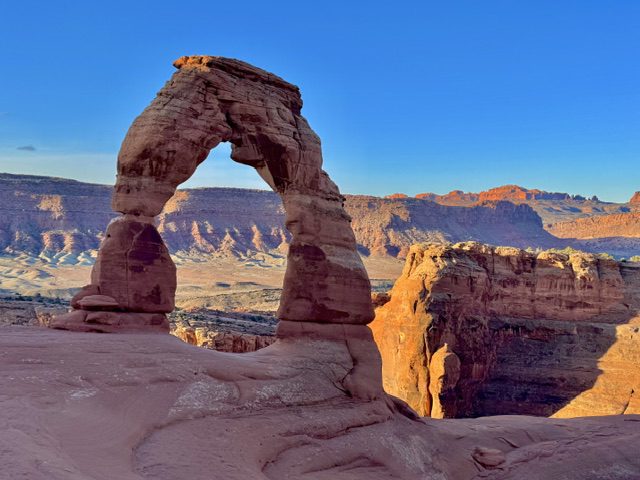
Delicate Arch is the most famous hike in Arches National Park. It is also one of the most rewarding. If you only have time for one trail, this is the one to choose. The arch has become an icon of Utah and even appears on the state’s license plates. Seeing it in person is an unforgettable experience.
The route begins on a wide gravel path before climbing a large section of slickrock. Along the way, you’ll pass a small historic cabin and a natural rock wall known as the “petrified dunes.”
Most of the hike is exposed to the sun. There is very little shade, especially during the warmer months. Bring plenty of water, wear sturdy hiking shoes, and avoid hiking during the hottest part of the day in summer. The final stretch follows a narrow rock ledge before opening to the famous arch. While the ledge may look intimidating, it is wide enough for most hikers to navigate carefully. Once you arrive, you’ll be rewarded with breathtaking views of Delicate Arch standing alone against the desert landscape.
Sunrise and sunset are the most popular times to visit. The soft light makes the red sandstone glow with incredible color. Sunset is especially beautiful, but it also attracts the largest crowds. Arriving early or visiting at sunrise offers a quieter experience. No matter when you go, Delicate Arch is a hike you’ll remember long after your trip to Utah ends.
2. Windows Loop and Turret Arch
- Trail Length: 1.1 miles
- Difficulty: Easy
- Elevation Gain: 134 feet
- Estimated Time: 0.5-1 hours
- Route Type: Loop
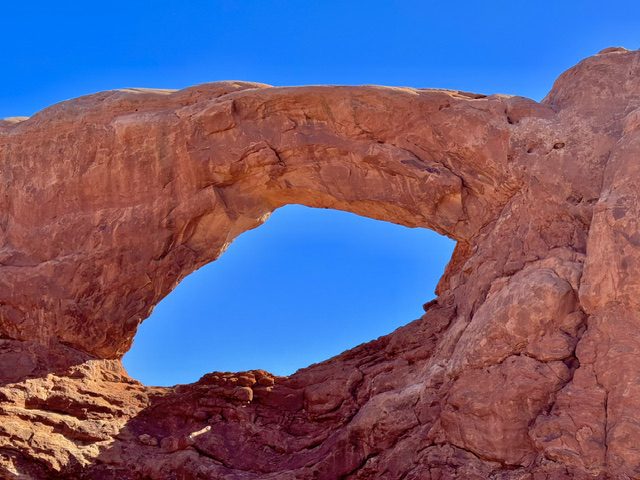
The Windows Loop and Turret Arch trail is one of the best short hikes in Arches National Park. It offers incredible views, impressive rock formations, and several famous arches. This trail is a great option for visitors who want to see multiple landmarks without spending hours on the trail.
The loop is about 1 mile long and is considered easy for most hikers. The path is mostly flat and follows a sandy and rocky surface. Along the way, you’ll quickly reach the North Window, South Window, and Turret Arch. These massive sandstone formations create some of the most memorable scenery in the park.
While the trail itself does not take long to walk, plan extra time for exploring. Many visitors spend time climbing around the rocks and searching for different viewpoints. The area around the Windows provides plenty of opportunities for photography and adventure. Kids and adults alike enjoy scrambling over the nearby sandstone.
Turret Arch is especially fun to explore because you can view it from several angles. The arch frames the surrounding red rock landscape beautifully. The Windows also create a dramatic backdrop during sunrise and sunset.
This trail is one of the most accessible Arches National Park hikes. It delivers huge views without requiring a difficult climb. For an even quieter experience, visit early in the morning or later in the afternoon. The golden light makes the sandstone glow and creates unforgettable scenery.
The Windows Loop and Turret Arch trail is perfect for families, photographers, and anyone wanting to experience some of the park’s most famous formations in a short amount of time.
3. Double Arch Trail
- Trail Length: 0.6 miles
- Difficulty: Easy
- Elevation Gain: 91 feet
- Estimated Time: 0.5-1 hours
- Route Type: Out and back
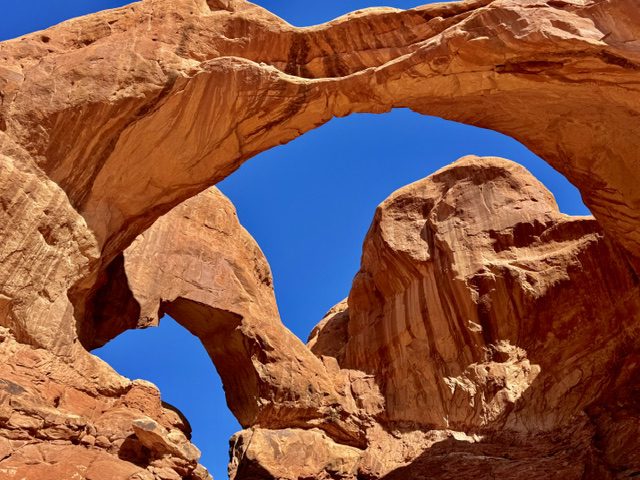
Double Arch is one of the most impressive and unique formations in Arches National Park. Unlike many other arches in the park, Double Arch is formed by two massive arches that share the same foundation. This creates a towering natural structure that feels much larger when viewed up close.
The trail to Double Arch is short and easy. It is only about 0.6 miles round trip from the parking area. The mostly flat path makes it one of the most accessible Arches National Park hikes for visitors of all ages. The trail takes you directly toward the base of the arches, where you can fully appreciate their incredible size.
Although the walk is brief, you will want to spend extra time exploring the area. Visitors can climb over the sandstone rocks beneath the arches. You can also walk underneath the massive openings for different views. The scale of Double Arch is difficult to understand until you are standing below it.
The surrounding landscape adds even more beauty to the experience. Red rock formations stretch across the horizon, creating a stunning desert backdrop. The nearby Windows area makes it easy to combine this trail with other popular viewpoints.
Double Arch is especially beautiful in the early morning or late afternoon. The changing sunlight highlights the curves and textures of the sandstone. It is also a great spot for photography.
For travelers looking for a quick adventure with a huge reward, Double Arch is a must-see. The short distance, easy access, and unforgettable scenery make it one of the park’s most memorable trails.
4. Devil’s Garden Trail
- Trail Length: 8.1 miles
- Difficulty: Strenuous
- Elevation Gain: 1,154 feet
- Estimated Time: 4-6 hours
- Route Type: Loop
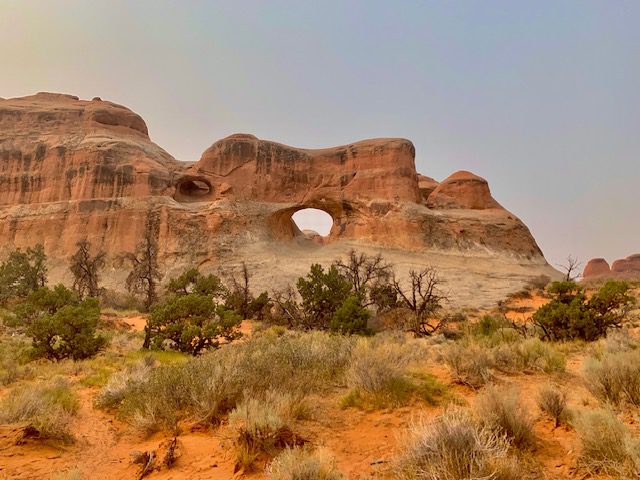
Devil’s Garden is one of the most exciting and diverse trails in Arches National Park. It is known for its incredible collection of sandstone arches, towering fins, and dramatic desert scenery. This trail offers a true backcountry experience and is a favorite for hikers looking for adventure.
The full Devil’s Garden trail is about 7.9 miles round trip. It is considered one of the longer hikes in the park. The route includes narrow rock sections, steep climbs, and some challenging areas that require careful footing. Hikers should be prepared for changing terrain and plenty of sun exposure.
One of the best things about Devil’s Garden is its flexibility. The long hike can be broken into smaller hikes depending on your time and experience level. You do not have to complete the entire trail to enjoy the scenery. Shorter sections allow visitors to see impressive formations without committing to the full route.
The next three hikes on this list are some of the shorter hikes you can take from the Devil’s Garden area. These include Double O Arch, Wall Arch and Pine Tree Arch, and Landscape Arch. Each offers a unique experience and can be enjoyed without completing the entire Devil’s Garden trail.
Those who continue farther will discover some of the park’s most stunning landscapes. The trail passes famous formations like Landscape Arch and Double O Arch. Hikers will also enjoy views of massive sandstone fins stretching across the desert.
Devil’s Garden is one of the most rewarding Arches National Park hikes for adventurous visitors. Whether you hike a short section or complete the entire trail, you will experience some of the park’s best scenery.
5. Double O Arch Trail
- Trail Length: 4.3 miles
- Difficulty: Moderate
- Elevation Gain: 643 feet
- Estimated Time: 2-3 hours
- Route Type: Out and back
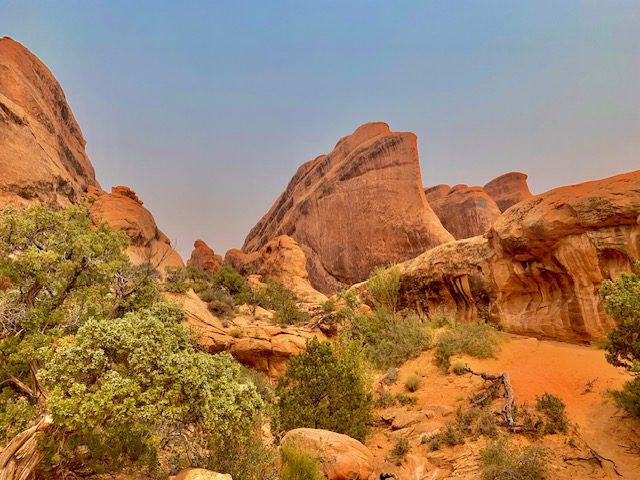
Double O Arch is one of the most unique formations found along the Devil’s Garden trail. It gets its name from its unusual design. Two large openings are stacked vertically, creating a shape that looks like two letter O’s. This rare formation makes it a memorable destination in Arches National Park.
The hike to Double O Arch is about 4.1 miles round trip from the Devil’s Garden trailhead. It is considered moderately challenging because of the uneven terrain and exposed sections. The trail follows narrow sandstone fins and includes areas where hikers must carefully navigate rocky surfaces.
The journey to Double O Arch is just as impressive as the destination. Along the way, you will see towering rock walls, sweeping desert views, and unique sandstone formations. The trail provides a more adventurous experience than many shorter hikes in the park.
The final approach to Double O Arch requires some scrambling over rocks. Take your time and watch your footing in these sections. Once you reach the arch, you can walk around it and enjoy different perspectives. The surrounding landscape creates a stunning backdrop for photos.
Because this hike continues beyond Landscape Arch, it is often combined with other Devil’s Garden destinations. It is a great option for hikers who want a longer adventure without completing the entire trail.
Double O Arch is one of the most rewarding Arches National Park hikes for those seeking a challenge. The combination of unique scenery, exciting terrain, and a spectacular destination makes this trail worth the effort. Be sure to bring water and start early, especially during warmer months.
6. Wall Arch and Pine Tree Arch
- Trail Length: 2.8 miles
- Difficulty: Easy
- Elevation Gain: 459 feet
- Estimated Time: 1-1.5 hours
- Route Type: Out and back
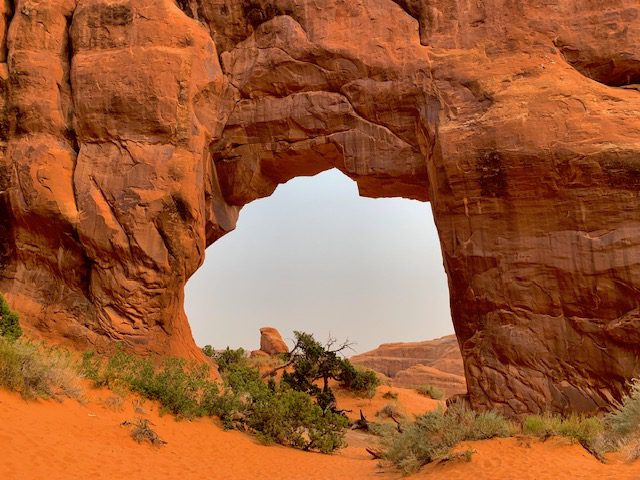
Wall Arch and Pine Tree Arch are two beautiful destinations located along the Devil’s Garden trail. These arches provide a great way to experience the area without completing the entire Devil’s Garden hike. They offer impressive scenery, unique formations, and a shorter adventure for visitors.
Pine Tree Arch is the first major arch you will reach from the Devil’s Garden trailhead. The hike to this formation is about 0.7 miles round trip. The trail is relatively easy and follows a sandy path through towering sandstone fins. The arch gets its name from the pine trees growing nearby, which create a beautiful contrast against the red rock.
After visiting Pine Tree Arch, hikers can continue toward Wall Arch. This section of trail provides excellent views of the surrounding desert landscape. Wall Arch was once one of the park’s notable formations, but it collapsed in 2008. The area where the arch once stood is still an interesting stop along the trail.
These shorter hikes are great options for travelers who want to explore Devil’s Garden without taking on the full route. They can also be combined with other nearby formations for a longer adventure. The easy access makes them enjoyable for families and casual hikers.
The scenery around Wall Arch and Pine Tree Arch showcases the beauty of Utah’s desert landscape. Massive sandstone fins rise above the trail, creating dramatic views in every direction. Early morning and late afternoon offer the best lighting for photography.
For visitors looking for shorter Arches National Park hikes, these trails deliver a memorable experience. They provide a taste of the incredible landscapes found throughout the Devil’s Garden area.
7. Landscape Arch Trail
- Trail Length: 1.9 miles
- Difficulty: Easy
- Elevation Gain: 246 feet
- Estimated Time: 0.5-1 hours
- Route Type: Out and back
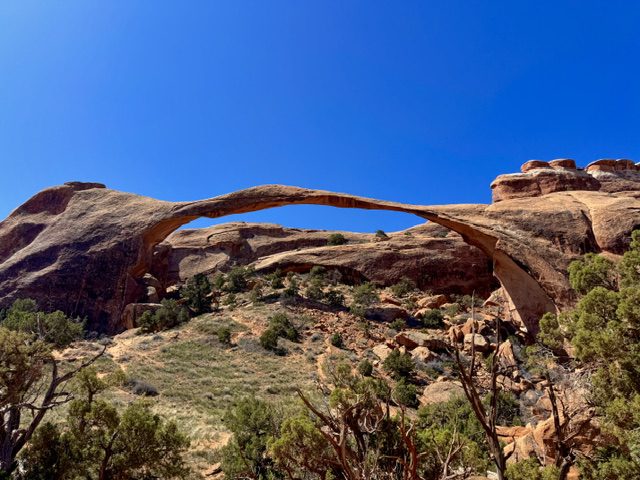
Landscape Arch is one of the most famous and impressive formations in Arches National Park. It is known for being one of the longest natural arches in the world. The delicate sandstone span stretches across the desert landscape and appears almost too thin to support itself.
The hike to Landscape Arch is short and accessible for most visitors. The trail is about 1.9 miles round trip from the Devil’s Garden trailhead. The path is mostly smooth and gently rolling, making it a great option for families and hikers of many ability levels.
Along the way, you will pass through a beautiful area filled with towering sandstone fins. These narrow rock walls create a dramatic backdrop throughout the hike. The trail offers several viewpoints and opportunities to appreciate the unique geology of the park.
When you reach Landscape Arch, you will be amazed by its size and delicate appearance. The arch stretches more than 290 feet across the landscape. Its narrow center section shows the power of erosion over thousands of years. Small pieces of sandstone have fallen from the arch over time, adding to its fragile beauty.
Landscape Arch is one of the best shorter Arches National Park hikes. It offers incredible views without requiring a long or difficult trek. The trail is also a great introduction to the larger Devil’s Garden area.
For the best experience, visit early in the morning or near sunset. The soft light highlights the curves of the arch and surrounding rock formations. Whether you are a first-time visitor or a returning traveler, Landscape Arch is a must-see destination.
8. Fiery Furnace and Surprise Arch
- Trail Length: 2.2 miles
- Difficulty: Strenuous
- Elevation Gain: 508 feet
- Estimated Time: 2-4 hours
- Route Type: Loop
The Fiery Furnace is one of the most unique and adventurous areas in Arches National Park. This maze of narrow sandstone canyons, towering fins, and hidden passages offers a completely different hiking experience. Unlike many trails in the park, the Fiery Furnace feels like a true desert exploration.
Hiking the Fiery Furnace requires extra planning. Visitors must have a permit or join a ranger-led program before entering the area. Permits can be reserved through the National Park Service website. The ranger-led option is a great choice for first-time visitors. Rangers share information about the geology, plants, and history of this fascinating landscape.
The route through the Fiery Furnace is not a traditional marked trail. Hikers navigate through narrow passages and over uneven sandstone surfaces. Some sections require scrambling, squeezing between rocks, and careful movement. A good fitness level and comfortable hiking shoes are recommended.
Surprise Arch is one of the hidden gems found within the Fiery Furnace area. Reaching it requires exploring the maze-like landscape with careful attention to your route. The arch is tucked among the sandstone formations and rewards hikers with a memorable discovery.
Because of its challenging terrain and confusing layout, the Fiery Furnace is not recommended for everyone. However, it provides one of the most exciting experiences in the park for prepared hikers. The combination of adventure, solitude, and incredible rock formations makes it unforgettable. If you are looking for a unique adventure, this is the one for you. Unfortunately, when I visited this hike was closed, so I didn’t get the opportunity to explore it.
You May Also Be Interested In
Arches to Canyonlands: How to Spend 1 Day
The Ultimate 2-Week Grand Circle Road Trip
A Whirlwind Utah Road Trip: 6 Parks in 7 Days
New Mexico Road Trip: A 5-Day Itinerary
Discovering Northern Arizona in 4 Days
The Perfect Las Vegas Day Trip to Grand Canyon and Hoover Dam
Valley of the Fire State Park: A Hiker’s Paradise Near Las Vegas