California is one of the most beautiful states in the United States which makes sense since it has the most national parks of any state. Each of the nine gorgeous parks are unique from one another as well as any other park in the country. Whether you see all nine in this epic 2-week California National Parks Road Trip or you do it in smaller spurts, these parks are a must-see for all nature-loving people.
I do think it is best to fully experience the parks by either slowing down this trip to 3 or 4 weeks or to take multiple smaller vacations. But not all of us are blessed with the ability to take multiple trips. If this is you, then this is your best option to see the highlights of all the California national parks in one monumental road trip.
Disclaimer: This post may contain affiliate links so if you make a purchase or booking through one of our links we might earn a small commission (but don’t worry, it’s no extra cost to you).
Which Route to Take?
There are a myriad of different ways you can do this California National Parks Road Trip. How you do it really depends on where you want to start from and how much driving you want to do. You will also need to decide if you want to drive a complete loop starting and ending in the same city. Or would you prefer to do a one-way drive which may cost you more in car rental fees but save some driving time and gas money. Are you ok with flying into a smaller regional airport with probable layovers, or do you prefer flying into a major airport where you will likely not have any layovers? Cost of flights at each location will definitely be a determining factor as well. All these decision must be made before you can start planning your personalized road trip.
Here is some information that may help you make some decisions:
| Starting Point | Ending Point | Driving Distance | Driving Time |
| Santa Barbara | Eureka | 1,670 miles | 30 hours |
| Los Angeles | San Francisco | 2,000 miles | 36 hours |
| Los Angeles | Los Angeles | 2,120 miles | 38 hours |
| San Francisco | San Francisco | 2,120 miles | 38 hours |
| Las Vegas | Las Vegas | 2,260 miles | 39 hours |
For this blog, I think it is best to do the full loop to see all the parks even though it is a little further in driving distance. I also think flying into one of the two major airports in Los Angeles or San Francisco is advantageous because there are more flight options without layovers. And time is the most precious commodity for this trip. With the full California loop, you will also be able to squeeze in a coastal driving with a side detour to Big Sur if you choose. Once you have decided which city you are flying into, you can decide which direction you are going. My California national parks road trip has us starting our journey in San Francisco and taking a clockwise route. This way some of our more difficult hikes will be done first while our legs are fresh, and it ends with easier parks when our legs are tired.
When is the Best Time for this California National Parks Road Trip
Picking the best time of year to do this California National Parks Road Trip can be tricky since the landscape and park elevations are vastly different across the state. Parts of Yosemite, Sequoia, and Kings Canyon are not accessible in the winter months, but desert parks like Death Valley and Joshua Tree are unbearably hot in the summer months. So pick your poison!
The best overall time frame for all the parks is late April to early June. During this time, snow is melting in the Sierra parks so waterfalls are at their peak. But some roads may still not be open in the high-elevation parks. However, the heat in the desert parks is still tolerable. The next best time frame would be late September to mid-October. The waterfalls will likely be dried up, but all roads in the high-elevation parks should still be open for the season. And the desert parks have begun to cool off from the summer heat.
You should absolutely avoid summer months of July and August as well as the winter months November through March.
Park Entrances
You will absolutely want to purchase an annual park pass or an America the Beautiful park pass, which will allow you into all national parks for a year. Each park ranges in cost, $20-35 per vehicle, so by buying the annual park pass, you will save a considerable amount of money on this California National Parks Road Trip. Also, if you have a 4th grader in your household, you can get a family pass to the national parks that is good for a year. Find out more about that benefit here.
What to Pack for the California National Parks Road Trip
- Water!! Whether you use a hydration backpack or carry bottled water, make sure to pack plenty of water when outdoors!
- Sunscreen – Protect your skin from the sun, and do not forget to reapply.
- Hat – More protection to block the sun from your face
- Hiking shoes/boots – Some of the hikes are on steep, slick rock, and people wearing regular tennis shoes struggled to keep their footing. Here are the men‘s version of the hiking shoes I love.
- Hiking socks – The best way to prevent blisters is by keeping your feet dry. Moisture-wicking socks are the best way to do that.
- Backpack – A backpack is a necessity when hiking to carry your water, snacks, sunscreen, etc. that you may need on your longer hikes.
- RTIC Soft-Sided Cooler – Keep your drinks and sandwich stuff cool in this cooler.
- Jacket – Even in warmer months, the temps can be cool in the mornings and evening so pack a light men’s or women’s jacket.
- Bug Spray – You will need bug spray to keep your sanity.
- Rain Gear – A rainstorm can come out of no where, so you will want to pack your rain gear in your car or backpack every time you go out.
California National Parks Road Trip Itinerary
Day 1 (Saturday) – San Francisco to Redwoods National Park
Your California National Parks Road Trip begins with a flight into San Francisco, followed by a scenic drive north along the California coast. The direct drive takes about 5.5 hours, but several worthwhile stops can break up the journey. Consider visiting Mendocino for ocean views, Fort Bragg for coastal scenery, or the charming Victorian town of Ferndale. You can also stop at overlooks along Highway 101 to admire rugged cliffs and redwood forests. Arriving in Crescent City by evening provides a convenient base for exploring the park. Spend the night there before beginning your redwood adventures the following morning.
Day 2 (Sunday) – Redwoods National Park
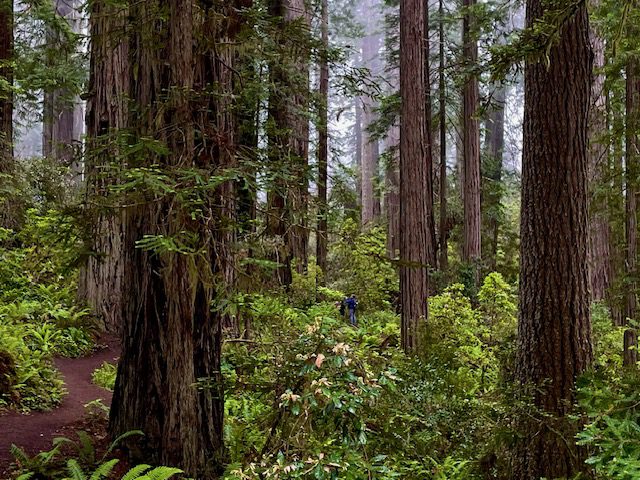
Spend the day exploring the towering forests of Redwood National Park, home to some of the world’s tallest trees. Begin with scenic drives and short walks through ancient groves. The Lady Bird Johnson Grove and Big Tree Wayside are excellent introductions. Watch for Roosevelt elk grazing in nearby meadows. Enjoy several overlooks with views of the rugged Pacific coastline. Since another morning remains in the park, save longer hikes and more remote areas for tomorrow. This relaxed pace allows time to appreciate the scenery. Return to Crescent City for the night and prepare for another memorable day ahead.
Day 3 (Monday) – Redwoods to Lassen Volcanic
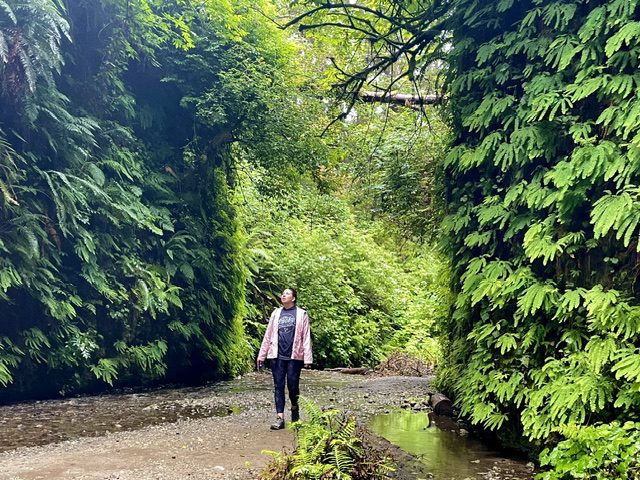
Spend the morning exploring sections of Redwood National Park missed during the previous day. Walk among massive trees on the Prairie Creek trails or visit Fern Canyon (requires a permit). The canyon’s lush walls create one of the park’s most unique landscapes. Stop at additional coastal viewpoints before leaving the area. After lunch, begin the drive inland toward Redding. The journey takes approximately 3.5 hours and passes through forests, rivers, and mountain scenery. Arriving in Redding positions you close to Lassen Volcanic National Park. Spend the night there, and rest before a full day exploring volcanic features, lakes, and alpine landscapes.
Day 4 (Tuesday) – Lassen Volcanic National Park
Spend the day exploring the diverse volcanic landscapes of Lassen Volcanic National Park. Begin at Bumpass Hell, the park’s largest hydrothermal area. Boardwalks lead past steaming vents, bubbling mud pots, and colorful hot springs. Continue along the scenic park road, stopping at overlooks and alpine lakes. Visit Sulphur Works and Devils Kitchen to see additional geothermal features. Enjoy views of Lassen Peak, the world’s largest plug dome volcano. Short walks provide access to many highlights throughout the park. Return to Redding in the evening. Spend another night there before continuing your California National Parks road trip tomorrow.
Day 5 (Wednesday) – Lassen Volcanic to Yosemite

Today is primarily a travel day as you drive roughly 5-6 hours toward Yosemite National Park. Break up the journey with stops in Chico, Gold Country towns, or along scenic mountain roads. Stretch your legs, enjoy local cafes, and take in changing landscapes. As you approach the Sierra Nevada, the scenery becomes increasingly dramatic. Consider stopping at viewpoints overlooking forests, rivers, and granite peaks. Arriving near Yosemite by evening allows for a relaxed start tomorrow. Stay overnight in Mariposa, Oakhurst, or inside the park if accommodations are available. Rest well before a full day exploring Yosemite’s famous highlights.
Day 6 (Thursday) – Yosemite National Park
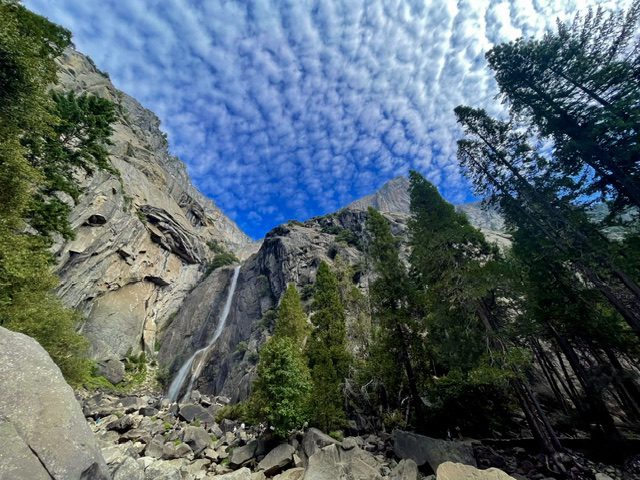
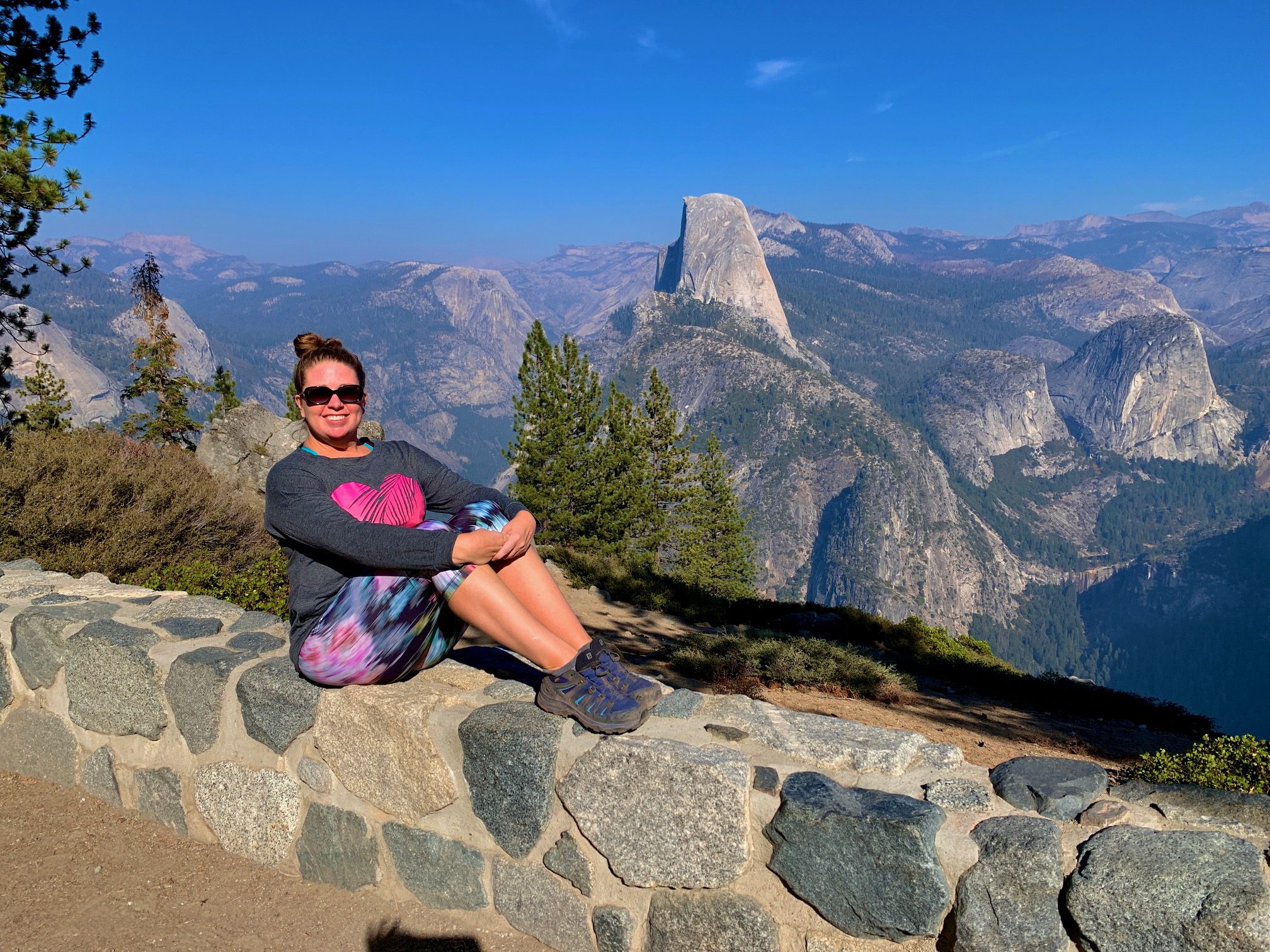
Spend your first full day exploring the iconic highlights of Yosemite National Park. Begin in Yosemite Valley with views of El Capitan and Half Dome. Stop at Tunnel View for one of the park’s most famous panoramas. Visit Yosemite Falls and enjoy easy walks through the valley floor. Explore meadows, rivers, and scenic viewpoints throughout the day. Since another day remains, save longer hikes and higher-elevation areas for tomorrow. This approach allows time to appreciate Yosemite without rushing.
Day 7 (Friday) – Yosemite National Park
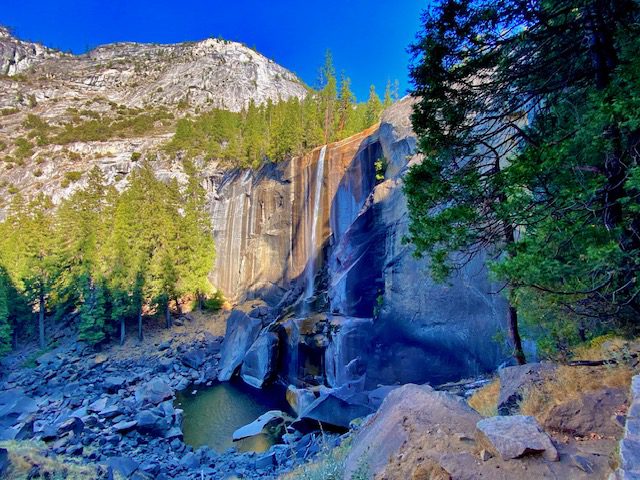
Spend your second day exploring areas beyond Yosemite Valley. Drive the spectacular Tioga Road if it is open. Stop at Olmsted Point for outstanding views of Half Dome. Visit Tenaya Lake and enjoy the beautiful alpine scenery. Continue to Tuolumne Meadows for easy walks and mountain vistas. More ambitious hikers may choose portions of the Cathedral Lakes Trail. The higher elevations offer a completely different Yosemite experience. Watch for wildlife and enjoy the peaceful surroundings. Spend the afternoon revisiting favorite viewpoints or exploring additional trails. Return to your accommodations for a final evening near Yosemite before tomorrow’s departure.
Day 8 (Saturday) – Kings Canyon National Park
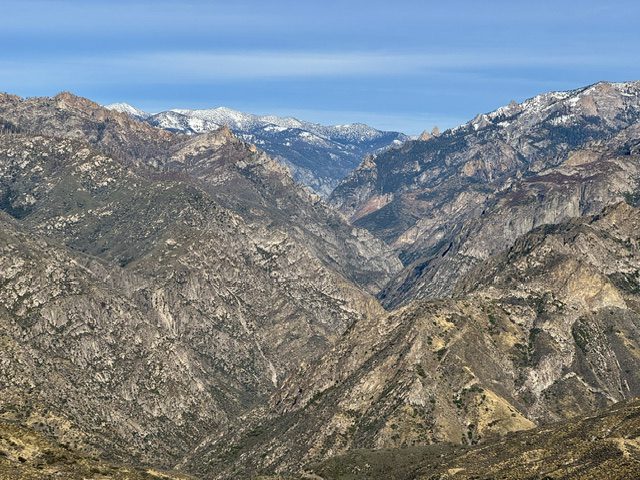
Leave Yosemite in the morning and drive approximately 2-3 hours to Kings Canyon National Park. The route passes through beautiful Sierra Nevada scenery. Upon arrival, explore some of the deepest canyon landscapes in North America. Drive the scenic Kings Canyon Road and stop at major viewpoints. Visit Roaring River Falls and enjoy the short walk to the waterfall. Explore Zumwalt Meadow for river views and towering granite walls. Massive sequoias can also be found throughout the park. Take time to enjoy the quieter atmosphere compared to Yosemite. Spend the night in Exeter before continuing your California National Parks road trip tomorrow.
Day 9 (Sunday) – Sequoia National Park
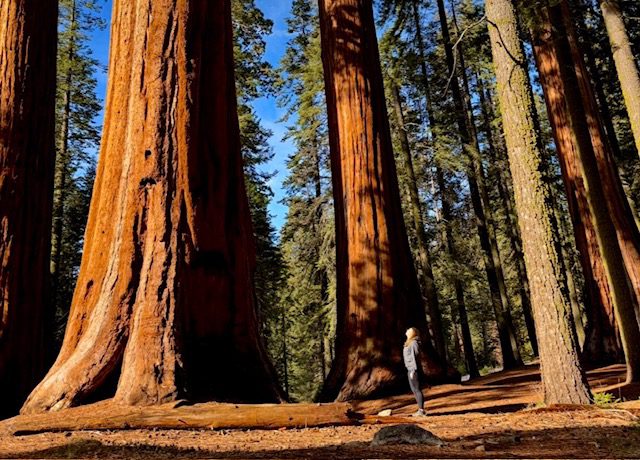
Spend a full day exploring Sequoia National Park in California’s Sierra Nevada mountains. Begin in the Giant Forest among massive sequoias, including the famous General Sherman Tree. Continue to Moro Rock for sweeping granite views and a short staircase climb. Walk through Crescent Meadow, often called the gem of the Sierra wilderness. Enjoy scenic drives through the park with opportunities to spot wildlife along the way. Take breaks at overlooks and roadside stops to appreciate towering forest scenery. Finish the day near Lodgepole Village and rest for the next adventure. Stay another night in Exeter to prepare for continued exploration tomorrow early.
Day 10 (Monday) – Death Valley National Park
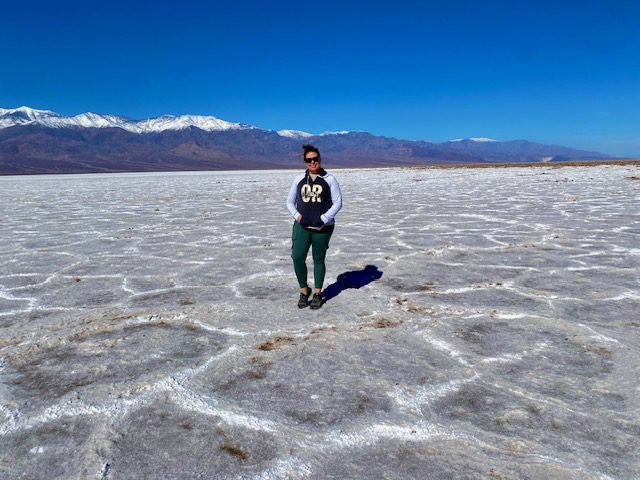
Depart early for a roughly 5-hour drive into Death Valley National Park. The route transitions from mountains to stark desert landscapes. Stop briefly along the way for scenic viewpoints and photos. Arrive by early afternoon and begin exploring key highlights. Visit Zabriskie Point for sweeping golden badlands views. Continue to Furnace Creek for orientation and short walks. Explore the salt flats at Badwater Basin, the lowest point in North America. As evening approaches, enjoy dramatic desert light at sunset viewpoints. Spend the night nearby or inside the park before continuing on your California National Parks road trip.
Day 11 (Tuesday) – Death Valley to Joshua Tree
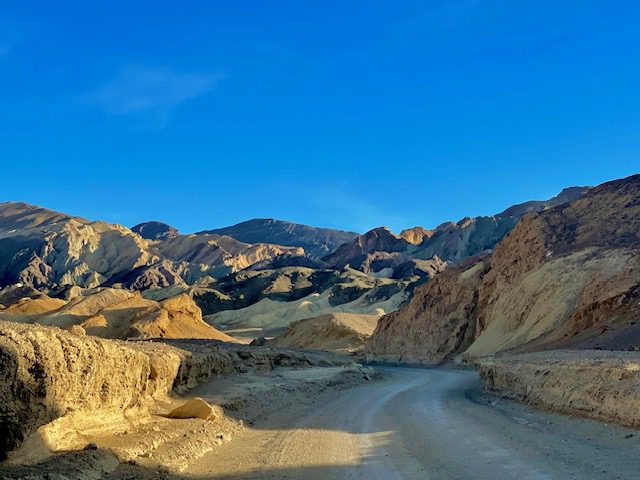
Spend the morning finishing your exploration of Death Valley National Park before the desert heat intensifies. Visit any remaining highlights, such as Dante’s View or Mesquite Flat Sand Dunes. Take time for final photos and short walks in the cool morning air. After wrapping up, begin the roughly four-hour drive toward Joshua Tree National Park. The route moves from stark desert basins into rising rocky terrain. Stop along the way for breaks, fuel, and snacks as needed. Arrive by late afternoon and settle in near the park. Prepare for an evening introduction to Joshua Tree’s unique desert landscape tomorrow. I recommend staying the night in Palm Springs.
Day 12 (Wednesday) – Joshua Tree to Channel Islands
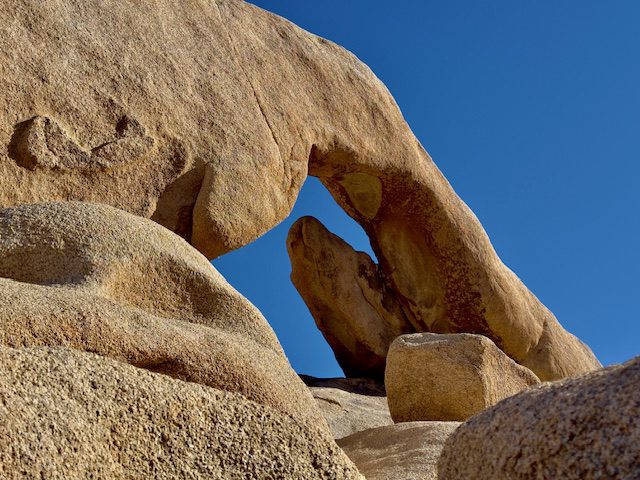
Spend half a day exploring Joshua Tree National Park, focusing on its unique desert landscapes and iconic rock formations. Walk among Joshua trees and granite boulders at Hidden Valley. Visit Keys View for sweeping desert vistas across the Coachella Valley. Enjoy short scenic stops before beginning the drive west. Depart in the afternoon for a roughly five-hour journey toward Ventura. Along the way, consider stops in Palm Springs, Santa Barbara, or coastal viewpoints. Arrive in Ventura by evening and settle in for the night. Rest and prepare for a Channel Islands National Park adventure the following day.
Day 13 (Thursday) – Channel Islands National Park
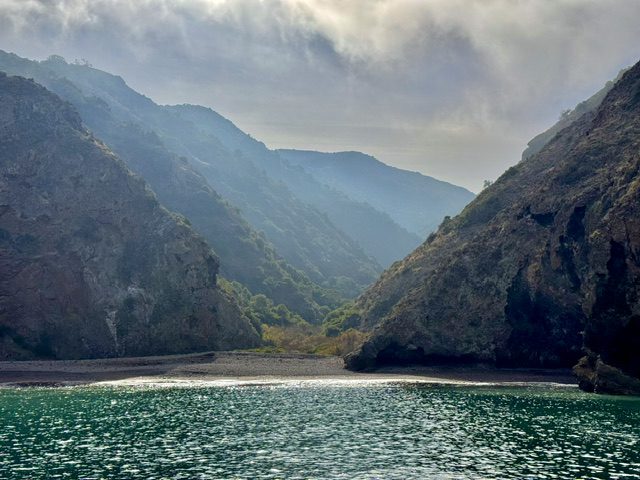
Take a day trip by boat to Channel Islands National Park with Island Packers from Ventura. Options include ferry trips to Anacapa and Santa Cruz Islands, with seasonal service to Santa Rosa Island. Whales along the route are common, and adventurous travelers may add a guided kayak excursion. Bring a packed lunch, since facilities are limited on the islands during day trips. Spend the day exploring rugged cliffs, sea caves, and hiking trails across the islands. Return to Ventura in the evening after a memorable coastal wildlife experience. Relax on ferry while watching for dolphins and sea lions.
Day 14 (Friday) – Big Sur to Monterey
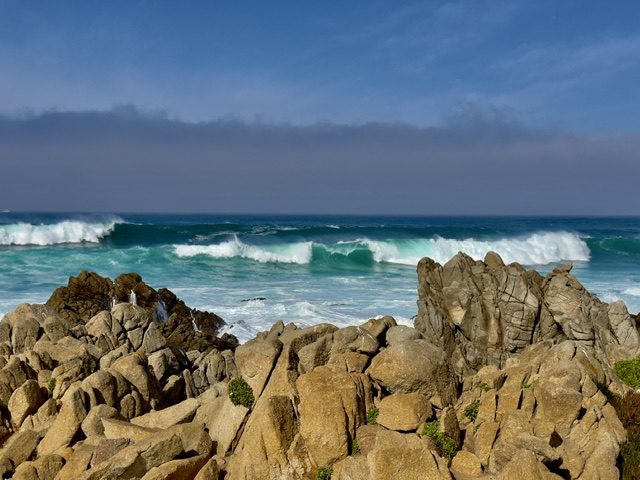
Drive from Ventura to Monterey along California’s iconic Pacific Coast Highway for an unforgettable coastal journey. The route follows cliffs, beaches, and winding ocean views nearly the entire way. Plan stops in Santa Barbara or San Luis Obispo for breaks and coastal sightseeing. Continue north into Big Sur, where rugged cliffs meet dramatic Pacific waves. Stop at McWay Falls for a short walk to an ocean waterfall overlook. Visit Bixby Bridge for one of the most photographed views in California.
As you approach Monterey, take time for Pebble Beach and the 17 Mile Drive scenic loop. Stop in Carmel-by-the-Sea to explore its charming shops, galleries, and beach. This day focuses entirely on coastal scenery, not national parks. Arrive in Monterey by evening and enjoy a relaxed night after a long scenic drive along the coast.
Day 15 (Saturday) – Pinnacles National Park
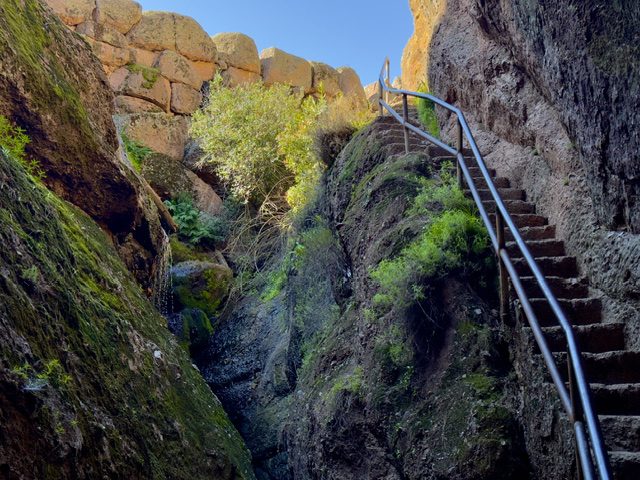
Spend a full day exploring Pinnacles National Park, known for its unique rock formations and talus caves. Start early with a hike on the Bear Gulch Cave Trail, where narrow passages and cool caverns create an adventurous experience. Continue to Bear Gulch Reservoir for peaceful water views surrounded by cliffs. In the afternoon, hike the High Peaks Trail for sweeping views of the park’s volcanic spires and rugged landscape. Keep an eye out for California condors soaring overhead, a rare and memorable sight. Take breaks at shaded overlooks and enjoy the quiet, less crowded atmosphere compared to other parks. Bring plenty of water and snacks, as services are limited inside the park. Finish the day with a sunset view from a scenic overlook. Stay in Soledad for an easy departure the next morning.
Day 16 (Sunday) – Pinnacles to San Francisco Airport
Drive toward San Francisco International Airport with plenty of time to spare for your departing flight. This marks the final leg of your California National Parks road trip adventure. Allow extra time for traffic, security lines, and unexpected delays along the Bay Area highways. You may pass familiar coastal or urban views that reflect the journey across California’s diverse landscapes one last time. Arrive early, check in smoothly, and take a moment to reflect on the national parks you explored. Your journey across California’s national parks concludes here, leaving you with lasting memories of mountains, deserts, forests, and coastlines together.
You May Also Be Interested In
The 8 Best Easy Hikes in Joshua Tree National Park
California Dreaming: The Best 3 Days in Santa Barbara
San Diego Itinerary: How to Spend 3 Days
The Best of Los Angeles Itinerary: How to Spend 3 Days in Hollywood
Kings Canyon and Sequoia National Parks in Once Day: How to See the Highlights