There’s a reason Yellowstone National Park is one of the most iconic destinations in the United States. It is a place where bubbling geysers, colorful hot springs, dramatic canyons, and roaming wildlife come together in one unforgettable landscape. Whether it is your first visit or a long-awaited return, the sheer size and variety of the park can feel overwhelming at first. From watching the legendary Old Faithful erupt to taking in the jaw-dropping views of Grand Canyon of the Yellowstone, there is no shortage of incredible sights to experience. This guide highlights the best things to do in Yellowstone National Park, helping you prioritize must-see attractions, discover hidden gems, and make the most of your time in this wild and awe-inspiring corner of the American West.
Disclaimer: This post may contain affiliate links so if you make a purchase or booking through one of our links we might earn a small commission (but don’t worry, it’s no extra cost to you).
When is the Best Time to Visit Yellowstone
Like most mountainous national parks, the summer is the best but busiest time to visit. The weather is warm, the flowers are blooming, and the kids are on summer vacation. Spring and Fall are also great times to visit for fewer crowds. Bears are emerging from their dens with their cubs. In the fall, the weather is cooling off, some of the non-evergreen trees are changing colors. Winter is likely the least crowded time to visit and part of the park remains open.
How to Get to Yellowstone National Park
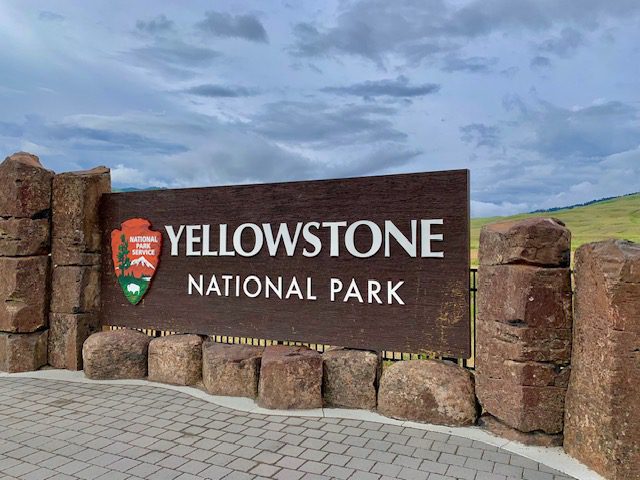
Getting to Yellowstone National Park is easier than it looks, but it does take a bit of planning since there are no major airports right next to the park. The most convenient airport is Bozeman Yellowstone International Airport in Montana. Other good options include Jackson Hole Airport and Idaho Falls Regional Airport, which can sometimes offer cheaper flights. From any of these airports, you’ll need to rent a car and drive into the park.
Yellowstone has five main entrances, each offering a different experience: the North Entrance near Gardiner (the only one open year-round), the West Entrance by West Yellowstone (great for first-time visitors and close to geysers), the South Entrance near Grand Teton National Park (perfect if you’re combining parks), the East Entrance by Cody (a scenic, more remote route), and the Northeast Entrance near Cooke City (ideal for wildlife spotting in the Lamar Valley). Choosing your airport and entrance wisely can save you hours of driving and help you maximize your time exploring Yellowstone.
Entrance Fees to Yellowstone
You will need to purchase a park pass to enter Yellowstone National Park. The pass is $35 and is good for 7 consecutive days. Depending on how often you visit this park or all U.S. National Parks, you may want to consider purchasing an annual park pass or an America the Beautiful park pass, which will allow you into all national parks for a year. Also, if you have a 4th grader in your household, you can get a family pass to the national parks that is good for a year. Find out more about that benefit here.
What to Pack When Visiting Yosemite
- Water!! Whether you use a hydration backpack or carry bottled water, make sure to pack plenty of water when outdoors!
- Sunscreen – Protect your skin from the sun, and do not forget to reapply.
- Hat – More sun protection to block the sun from your face
- Hiking shoes/boots – Some of the hikes are on steep, slick rock, and people wearing regular tennis shoes struggled to keep their footing. Here are the men‘s version of the hiking shoes I love.
- Hiking socks – The best way to prevent blisters is by keeping your feet dry. Moisture-wicking socks are the best way to do that.
- Hiking Poles – Hiking poles are nice especially when hiking difficult trails.
- Backpack – A backpack is a necessity when hiking to carry your water, snacks, sunscreen, etc. that you may need on your longer hikes.
- RTIC Soft-Sided Cooler – Keep your drinks and sandwich stuff cool in this cooler.
- Packing Cubes – Keep your stuff organized in your luggage with these packing cubes.
- Jacket – Even in warmer months, the temps can be cool so pack a light men’s or women’s jacket.
- Printed Maps/Directions – Cell service is spotty in some national parks, so I recommend you print maps/directions or download offline maps to all hiking trails and parks you plan to visit.
Best Things to Do in Yellowstone National Park
1. Old Faithful Geyser
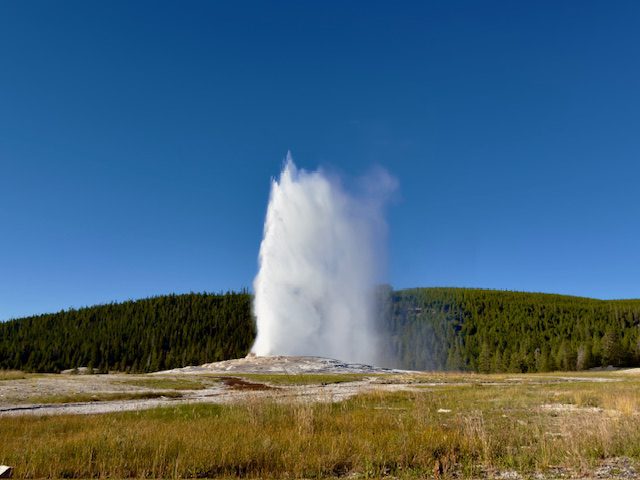
No trip to Yellowstone is complete without witnessing Old Faithful, the park’s most famous geyser and one of the most predictable in the world. Erupting roughly every 90 minutes, Old Faithful shoots steaming water up to 180 feet into the air, drawing crowds that gather in anticipation. The surrounding area is just as impressive, with a network of boardwalks leading to other geothermal features like Castle Geyser and Grand Geyser. The nearby Old Faithful Inn is worth stepping inside for its towering log architecture. Arrive early or later in the evening for fewer crowds, and check posted eruption times to plan your visit efficiently.
2. Grand Prismatic Springs
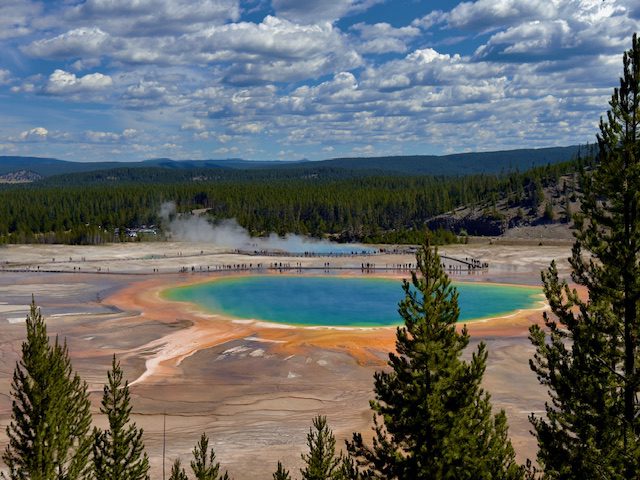
The vibrant colors of Grand Prismatic Spring make it one of the most photographed spots in Yellowstone. This massive hot spring shimmers with bands of blue, green, yellow, and orange caused by heat-loving microorganisms. While the boardwalk trail offers an up-close view, the best perspective comes from the Fairy Falls overlook, where you can fully appreciate its size and rainbow effect. Steam can obscure the colors during cooler mornings, so midday visits often provide clearer views.
3. Grand Canyon of the Yellowstone
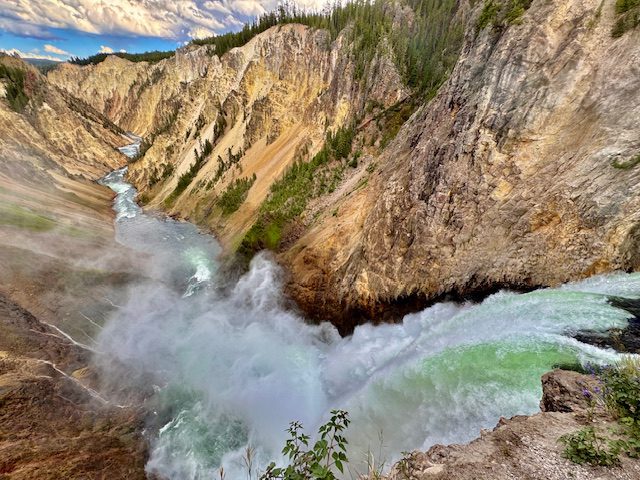
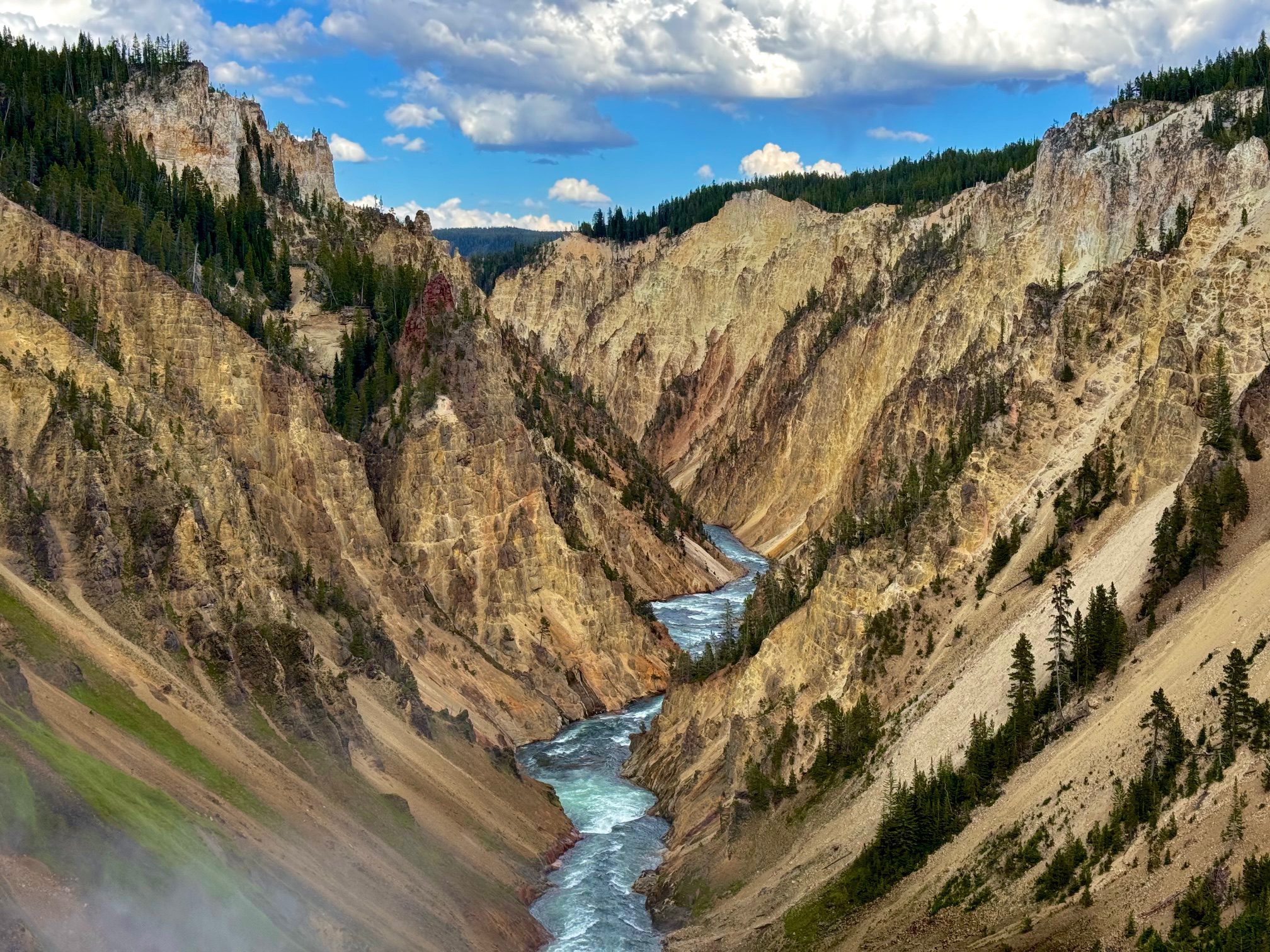
The dramatic Grand Canyon of the Yellowstone stretches for about 20 miles and features striking yellow and orange rock walls carved by the Yellowstone River. Highlights include Upper and Lower Falls, with the Lower Falls plunging over 300 feet. Popular viewpoints like Artist Point offer breathtaking vistas, especially at sunrise or sunset. Several trails allow you to hike down into the canyon for a more immersive experience, though they can be steep and require some effort.
4. Lamar Valley
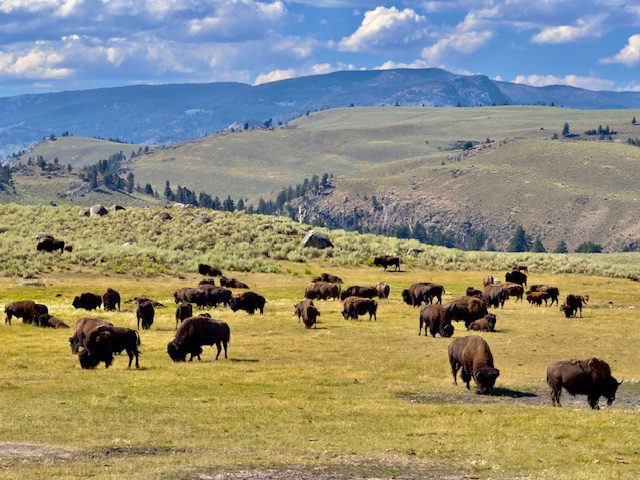
Often called America’s Serengeti, Lamar Valley is the best place in Yellowstone to spot wildlife. Early mornings and evenings are prime times to see bison, elk, pronghorn, and even wolves. Bring binoculars or a spotting scope for the best experience. The valley’s wide-open landscapes also make it a beautiful place for a scenic drive or picnic, with fewer crowds compared to other parts of the park.
5. Mammoth Hot Springs
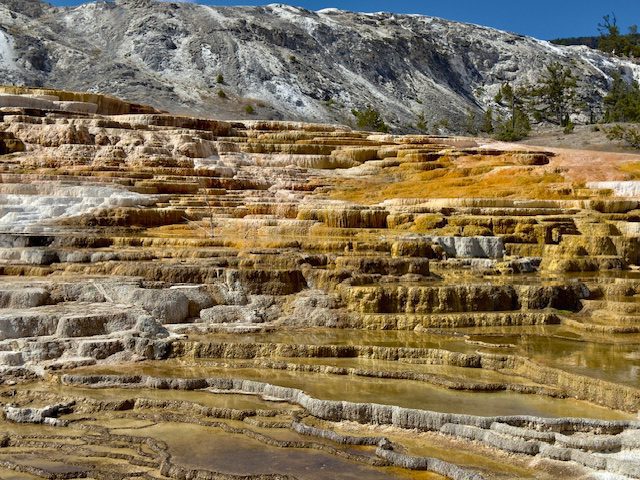
Mammoth Hot Springs is known for its unique limestone terraces formed by mineral-rich hot water. The formations resemble cascading steps, constantly changing shape and color over time. Boardwalks wind through both the lower and upper terraces, offering close-up views of features like Minerva Terrace. Located near the North Entrance, this area also has historical buildings from Yellowstone’s early days as a national park.
6. Yellowstone Lake
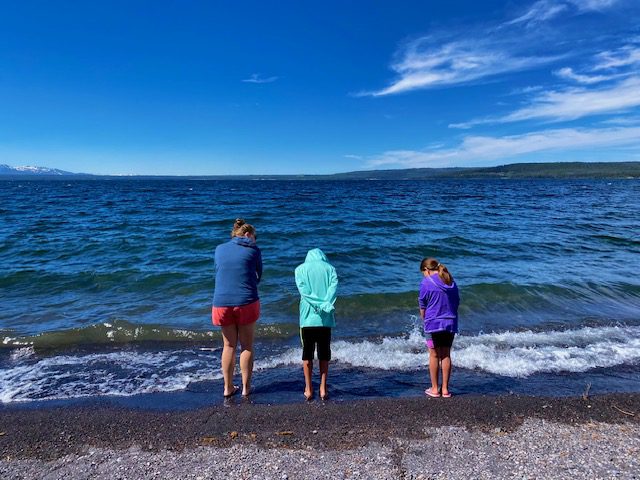
Spanning over 130 square miles, Yellowstone Lake is the largest high-elevation lake in North America. Its deep blue waters are framed by mountains, creating a serene contrast to the park’s geothermal features. Visitors can enjoy boating, fishing, or simply relaxing along the shoreline. The nearby Lake Yellowstone Hotel offers classic views and a peaceful atmosphere, making this area ideal for slowing down during your trip.
7. West Thumb Geyser Basin
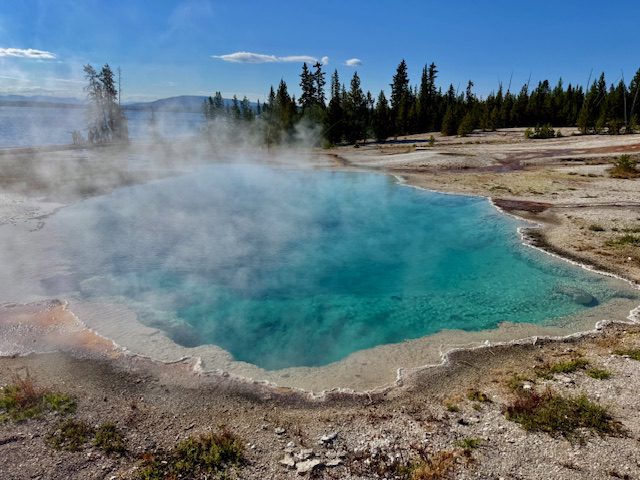
Set along the shores of Yellowstone Lake, West Thumb Geyser Basin combines geothermal features with waterfront scenery. Boardwalks loop past bubbling pools, steaming vents, and colorful springs, all with the lake as a backdrop. Abyss Pool is a standout feature with its deep, clear blue water. This area is relatively compact, making it an easy and rewarding stop.
8. Scenic Drive to East Entrance
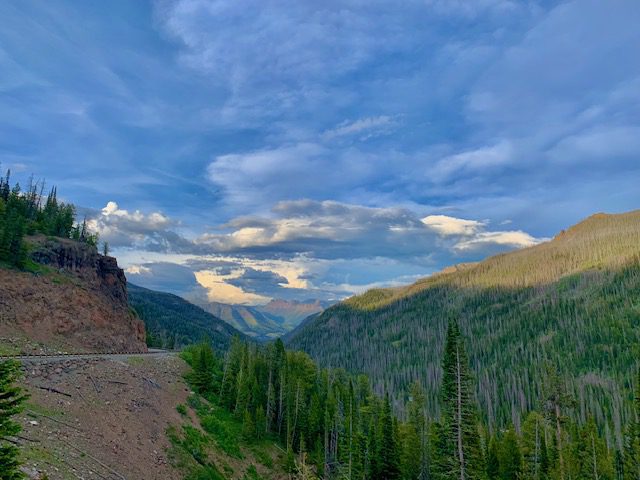
The drive toward Yellowstone’s East Entrance is one of the park’s most underrated experiences. This scenic route passes through forests, rivers, and sweeping mountain views as it leads toward Cody. Along the way, you’ll encounter pullouts perfect for photos and wildlife spotting. The changing landscapes and fewer crowds make this drive especially enjoyable for those looking to escape busier areas of the park.
9. Norris Geyser Basin
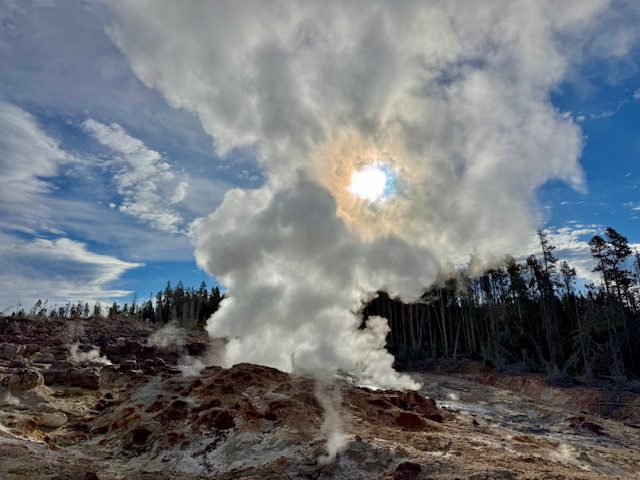
Norris Geyser Basin is the hottest and most dynamic geothermal area in Yellowstone. It’s home to Steamboat Geyser, the tallest active geyser in the world, though its eruptions are unpredictable. The basin is divided into two sections—Porcelain Basin and Back Basin—each offering unique features. Expect a stark, almost otherworldly landscape filled with steam vents, acidic pools, and constant geothermal activity.
10. Hayden Valley
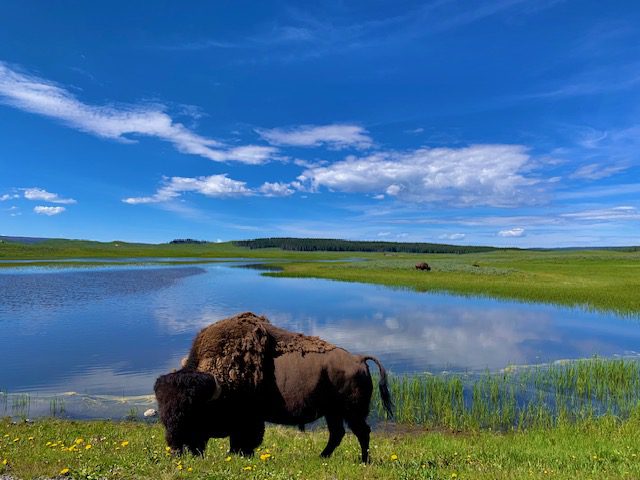
Hayden Valley is another prime wildlife viewing area, located between Yellowstone Lake and the Grand Canyon. Bison herds are commonly seen here, often crossing the road and causing traffic delays. Grizzly bears and wolves also inhabit the area, making it a favorite for photographers. The valley’s wide-open terrain provides excellent visibility, especially during sunrise and sunset.
11. Gibbon Falls
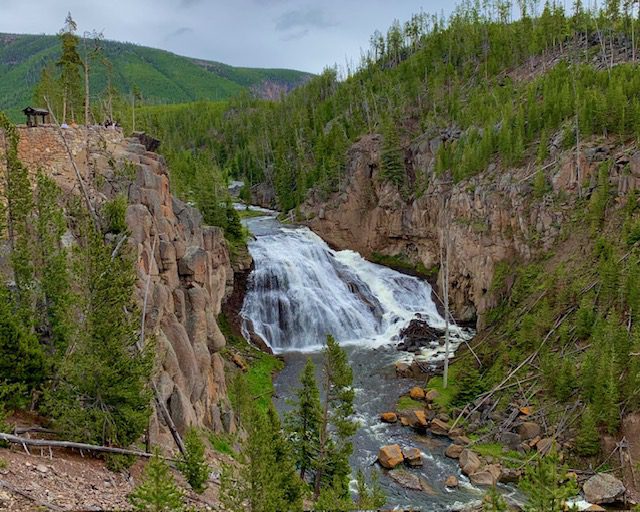
Gibbon Falls is an easy and rewarding stop along the Grand Loop Road. The 84-foot waterfall cascades down a broad rock face, creating a picturesque scene that’s easily accessible from a nearby viewpoint. It’s a quick stop, but one that’s well worth it for the photo opportunity and a chance to stretch your legs.
12. Artist Paint Pots
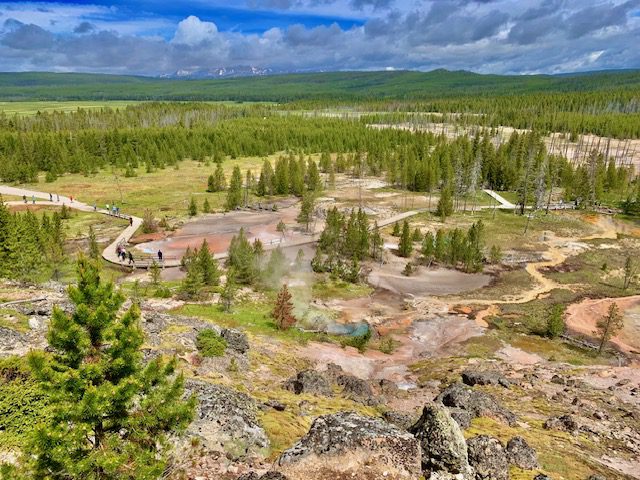
The bubbling mud pots at Artist Paintpots offer a unique look at Yellowstone’s geothermal activity. The thick, colorful mud bubbles and splatters, creating a constantly changing landscape. A short hike leads you to both the paint pots and nearby hot springs, making this a fun and slightly different stop compared to the park’s more famous attractions.
13. Firehole Lake Drive
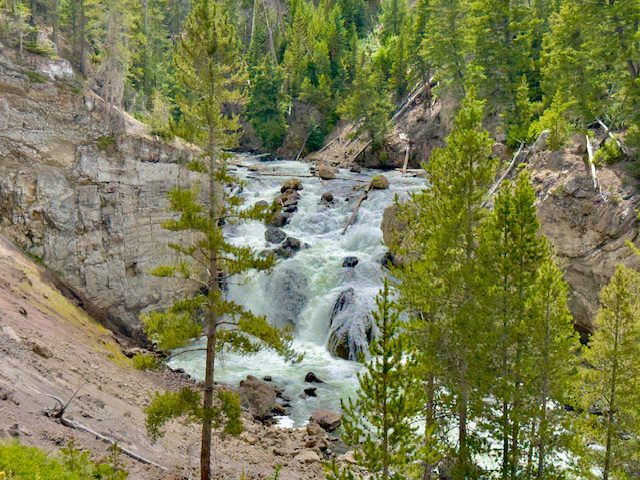
Firehole Lake Drive is a short one-way road packed with geothermal features. Highlights include Great Fountain Geyser, known for its predictable and impressive eruptions. The drive allows you to explore several features quickly, making it a great option if you’re short on time but still want to see a variety of geothermal activity.
14. Mud Volcano
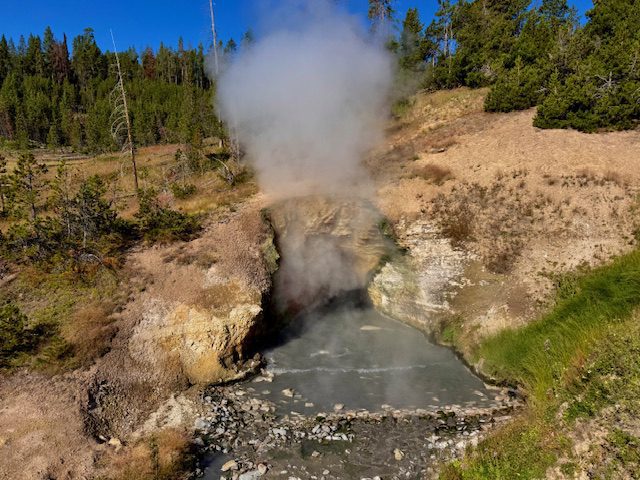
Despite its name, Mud Volcano is more about bubbling mud pots and steaming vents than an actual volcano. The area has a strong sulfur smell and features like Dragon’s Mouth Spring, where steam bellows from a cave-like opening. It’s a short but fascinating stop that showcases the park’s more intense geothermal side.
15. Roosevelt Arch
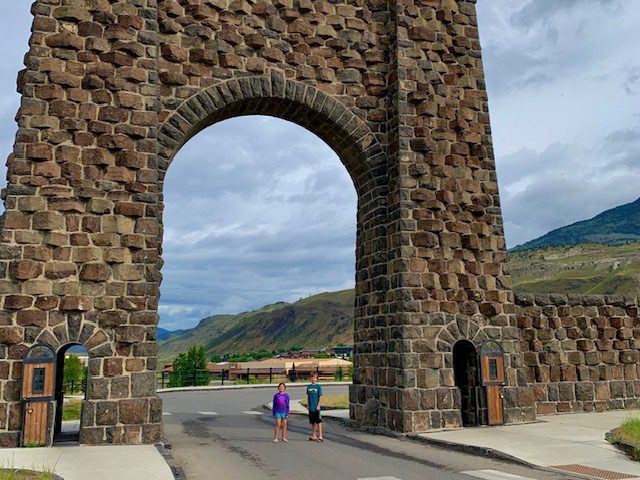
Located at the North Entrance in Gardiner, the historic Roosevelt Arch is a symbolic gateway to Yellowstone. Built in 1903 and dedicated by President Theodore Roosevelt, the arch bears the inscription “For the Benefit and Enjoyment of the People.” It’s a great photo stop and a meaningful way to begin or end your visit.
16. Tower Fall
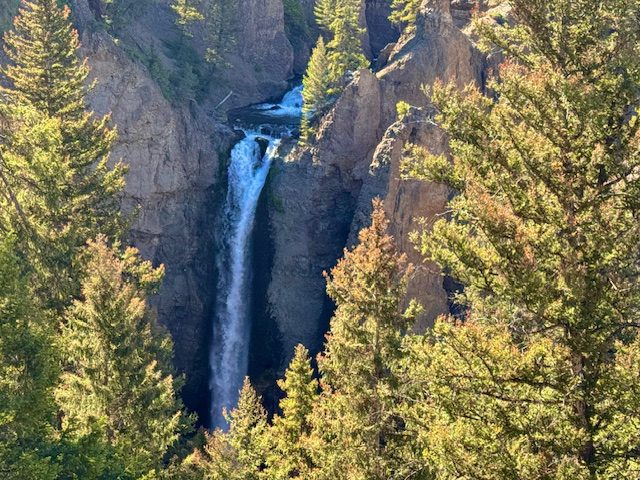
Tower Falls is one of Yellowstone’s most գեղեց scenic waterfalls, plunging 132 feet alongside striking rock pinnacles. Located near Tower Junction, it’s easily accessible from a nearby overlook. The surrounding area also offers opportunities for wildlife viewing and access to hiking trails, making it a worthwhile stop in the northern part of the park.
17. Fairy Falls
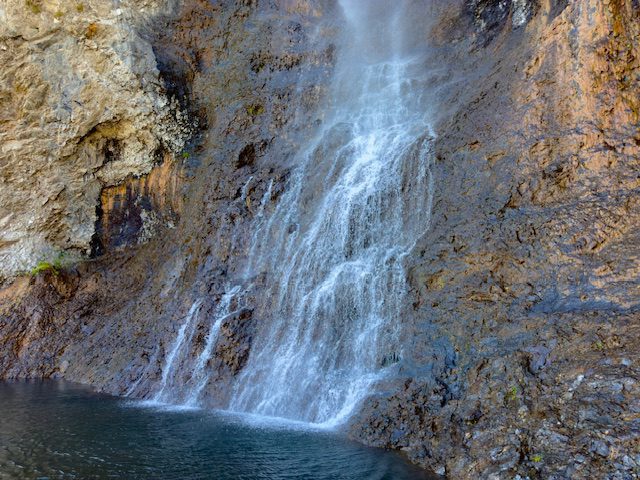
Tucked away in the Midway Geyser Basin area, Fairy Falls is one of the tallest waterfalls in Yellowstone National Park and a rewarding destination for those willing to take a short hike. The trail to Fairy Falls is relatively easy and mostly flat, stretching about 5 miles round trip through a peaceful lodgepole pine forest. Along the way, you can take a short detour to the Grand Prismatic Spring Overlook, which offers one of the best aerial views of Grand Prismatic Spring. When you reach the falls, you’ll be greeted by a graceful 200-foot cascade that spills down a rocky cliff into a quiet clearing, often with far fewer crowds than Yellowstone’s more famous waterfalls. It’s the perfect spot to slow down, enjoy a snack, and soak in a quieter side of the park.
18. Moose Falls
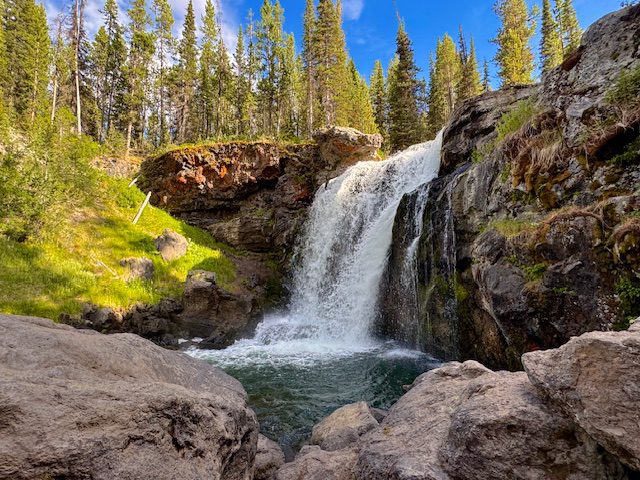
Located near the South Entrance of Yellowstone National Park, Moose Falls is one of the park’s most accessible yet often overlooked waterfalls. Just a short walk from the parking area, this 30-foot cascade tumbles over a mossy basalt ledge, creating a lush and tranquil setting that feels worlds away from the busier areas of the park. The falls are fed by Crawfish Creek and are surrounded by greenery, making it a great spot for photos—especially in the morning light. Despite its name, moose sightings here are actually rare, but the peaceful atmosphere and easy access make Moose Falls a worthwhile quick stop as you enter or exit the park near Grand Teton National Park.
19. Drive to Northeast Entrance
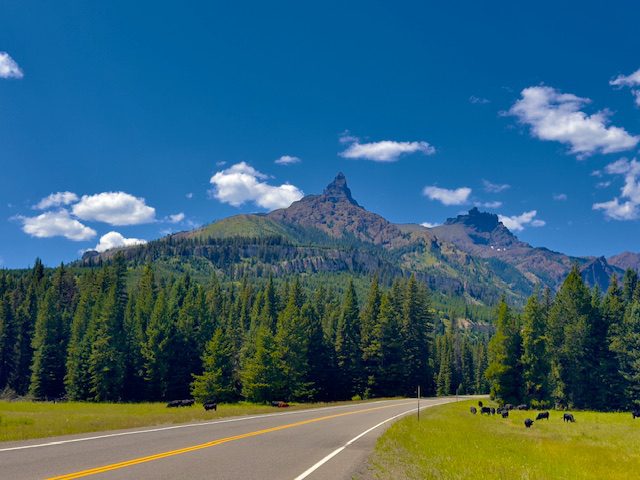
The scenic drive to the Northeast Entrance of Yellowstone National Park, including the legendary Beartooth Highway, is widely considered one of the most breathtaking routes in the United States. As you leave the park through the Lamar Valley, the landscape gradually transforms from wildlife-rich plains into dramatic alpine terrain. Once on the Beartooth Highway, the road climbs to nearly 11,000 feet, delivering sweeping views of jagged peaks, glacial lakes, and endless switchbacks that make the journey as thrilling as it is beautiful. Often referred to as “the most beautiful drive in America,” this route is especially stunning in summer when wildflowers bloom across the tundra, though patches of snow can linger even in July. With frequent pullouts and overlooks, it’s easy to stop and soak in the scenery, making this drive a must-do for anyone looking to experience the raw, rugged beauty of the Greater Yellowstone ecosystem.
20. Black Sand Basin
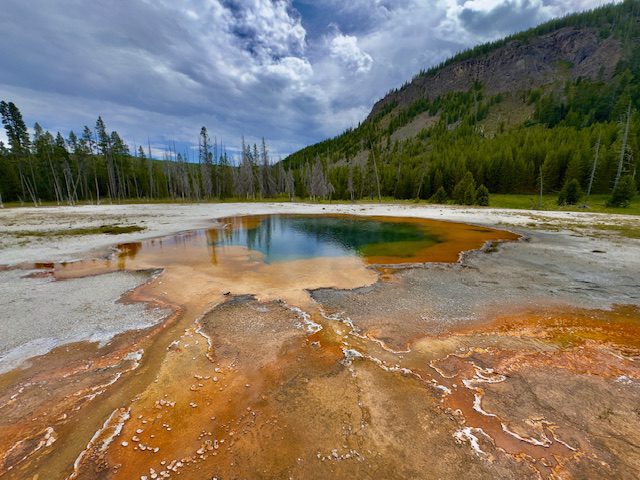
Black Sand Basin is a small but striking geothermal area known for its vivid colors and easy accessibility. Despite its compact size, it features a remarkable collection of hot springs and geysers, all connected by a short boardwalk trail. The highlight is Emerald Pool, a brilliantly colored spring that glows deep green due to heat-loving microorganisms thriving in its waters. Surrounding it are other eye-catching features like Rainbow Pool and Opalescent Pool, each showcasing unique hues and textures. The basin gets its name from the dark sand formed by eroded obsidian, adding contrast to the vibrant thermal features. It’s a quick stop with big visual payoff.
You May Also Be Interested In
The Best 6-Day Yellowstone Itinerary
Know Before You Go to Yellowstone National Park
Hike the Seven Mile Hole Hike in Yellowstone
Go On a National Park Road Trip! 12 Incredible 1-Week Itineraries
2-Week National Park Road Trips
The Best Things to Do in West Glacier National Park
How to Spend 2 Days in Grand Teton National Park
Best Way to Hike to Inspiration Point in Grand Teton National Park