If you’re planning an unforgettable stop in the American Southwest, there are so many incredible things to do in petrified forest national park that it can be hard to know where to begin. Located in northeastern Arizona, Petrified Forest National Park is a surreal landscape of colorful badlands, ancient fossilized trees, and fascinating cultural sites. To make the most of your visit, this guide is organized in a simple, stress-free itinerary that starts at the north entrance right off Interstate 40 and winds its way through the park to the south entrance at U.S. Route 180. The best part? Every stop on this list can easily be experienced in just one day, making it the perfect addition to a larger American Southwest road trip. Whether you’re short on time or just passing through, this route ensures you won’t miss the park’s most stunning viewpoints, short hikes, and must-see attractions.
Disclaimer: This post may contain affiliate links so if you make a purchase or booking through one of our links we might earn a small commission (but don’t worry, it’s no extra cost to you).
The Best Time to Visit Petrified Forest
The spring months March to May and the fall months September to November are the best times to do the things to do in Petrified Forest National Park. These months have mild weather while the summers are way too hot to visit. Winters are too cold with chances of snow. Spring is the best time if you want to see wildflowers, and fall is the best for little to no precipitation.
How to Get to Petrified Forest
Petrified Forest National Park is nestled between I-40 and US-180 near Holbrook, Arizona. Phoenix and Albuquerque are the two closest major cities with airports. Both of these cities are 3-4 hours from Petrified Forest National Park. Since this park is small and can be done in one day, I would recommend visiting this park as part of a longer road trip. New Mexico, Arizona, and even southern Colorado are great places to tie into a long road trip full of American Southwest treasures.
Entrance Fees for Petrified Forest
You will need to purchase a park pass to enter most national parks, including Petrified Forest. The entrance fee is $25/vehicle, $20/motorcycle, or $15/bicycle or pedestrian for a 7-day pass. If you plan to visit multiple national parks, I recommend purchasing an America the Beautiful park pass, which will allow you into all NPS lands for a year. The American the Beautiful Interagency pass is $80 plus a $9 shipping fee if you purchase online. However, you can purchase the interagency pass in person at all park entrances and avoid the shipping fee.
Also, if you have a 4th grader in your household, you can get a family pass to the national parks that is good for a year. Find out more about that benefit here.
What to Pack
- Water!! Whether you use a hydration backpack or carry bottled water, make sure to pack plenty of water when outdoors! The visitor centers at each national park have water filling stations.
- Sunscreen – Protect your skin from the sun, and do not forget to reapply.
- Hat – More sun protection to block the sun from your face
- Hiking shoes/boots – Some of the hikes are on steep, slick rock, and people wearing regular tennis shoes struggled to keep their footing. Here are the men‘s version of the hiking shoes I love.
- Hiking socks – The best way to prevent blisters is by keeping your feet dry. Moisture-wicking socks are the best way to do that.
- Backpack – A backpack is a necessity when hiking to carry your water, snacks, sunscreen, etc. that you may need on your longer hikes.
- RTIC Soft-Sided Cooler – Keep your drinks and sandwich stuff cool in this cooler.
- Jacket – Even in warmer months, the temps can be cool in the mornings and evening so pack a light men’s or women’s jacket.
- Printed Maps/Directions – Cell service is spotty, so I recommend you print maps/directions or download offline maps to all hiking trails and parks you plan to visit.
Things to Do in Petrified Forest National Park
1. Painted Desert Visitor Center
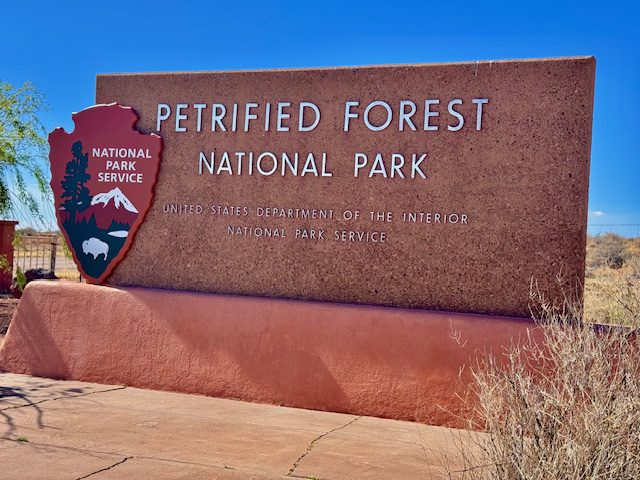
One of the very first things to do in petrified forest national park is stop at the Painted Desert Visitor Center, especially if you’re entering from the north off I-40. This is the perfect place to get oriented before diving into the park’s otherworldly landscapes. Inside, you’ll find exhibits that explain the geology, paleontology, and cultural history of the area, giving helpful context to everything you’ll see throughout the day. Rangers are available to answer questions, provide maps, and recommend stops based on your interests and timing.
Step outside, and you’re immediately greeted with sweeping views of the Painted Desert, a vast expanse of colorful badlands stretching across the horizon. The layers of reds, purples, blues, and oranges shift dramatically depending on the time of day and lighting, making this a stunning introduction to the park. There’s also a short paved path leading to viewpoints, so you can stretch your legs after the drive.
Don’t skip the gift shop. It’s one of the better ones in the park system, with unique souvenirs and educational books. If you want to take petrified wood home as a souvenir, buy some at the shop because it is illegal to take any from the park otherwise. There’s also a café and restrooms, making it a convenient stop before continuing south. Starting your day here ensures you’ll fully appreciate all the incredible sights ahead.
2. Painted Desert Rim Trail and Overlooks
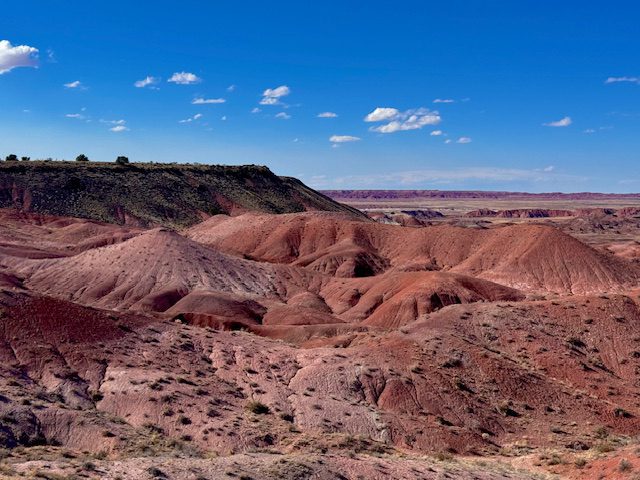
Continuing south, the Painted Desert Rim Trail and its scenic overlooks are easily among the most breathtaking things to do in petrified forest national park. This stretch of road features multiple pullouts, each offering a slightly different perspective of the Painted Desert’s rolling hills and vibrant colors.
The Rim Trail itself is a relatively easy, mostly flat path that connects several of these viewpoints, allowing you to walk at your own pace and soak in the scenery without constantly getting back in your car. Even a short stroll along the trail is worth it—the silence, wide-open skies, and layered terrain create a peaceful, almost surreal experience.
Each overlook has its own character. Some highlight deep ravines and dramatic erosion patterns, while others showcase sweeping panoramic views that seem to go on forever. Early morning and late afternoon are especially beautiful times to visit, as the low sun enhances the desert’s colors and creates long, dramatic shadows.
Don’t rush. It’s one of those stops where simply standing still and taking it all in becomes the highlight. Whether you walk the full trail or just stop at a few viewpoints, this section is an unforgettable introduction to the park’s unique beauty.
3. Painted Desert Inn
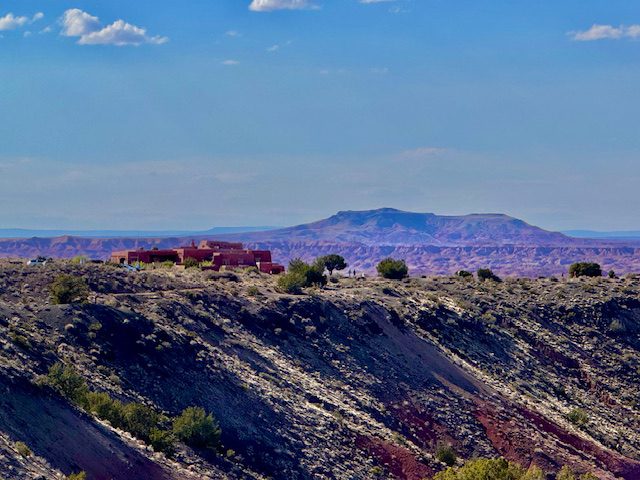
The Painted Desert Inn is one of the most historically rich things to do in petrified forest national park, offering a fascinating glimpse into the region’s past. Originally built in the 1920s and later redesigned in Pueblo Revival style, the inn once served as a stop for travelers exploring Route 66. Today, it stands as a beautifully preserved museum and cultural site.
Inside, you’ll find exhibits highlighting Native American art, architecture, and history, including stunning murals by Hopi artist Fred Kabotie. The building itself is worth exploring, with its thick adobe walls, hand-carved wooden beams, and thoughtfully designed spaces that reflect Southwestern traditions.
Step outside onto the back terrace, and you’re rewarded with one of the best views in the park. The Painted Desert stretches endlessly before you, creating a perfect backdrop for photos or a quiet moment of reflection. It’s easy to imagine what travelers felt like stopping here decades ago, taking in the same sweeping landscape.
Unlike some of the park’s more natural attractions, the Painted Desert Inn adds a cultural and historical dimension to your visit. It’s a slower-paced stop, but one that enriches your understanding of the area and makes the journey through the park feel more meaningful.
4. Puerco Pueblo
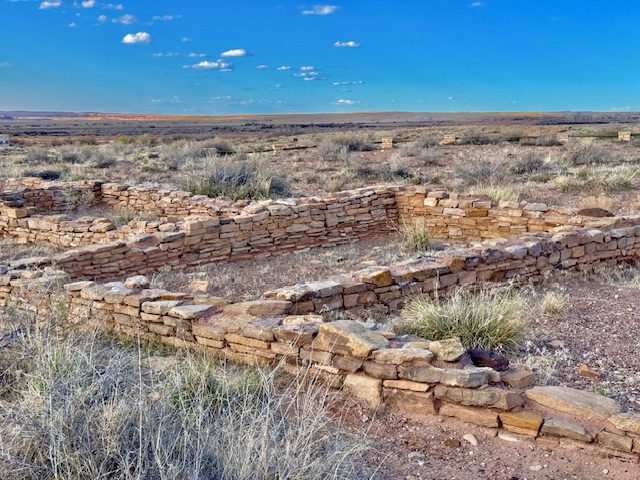
Puerco Pueblo is one of the most fascinating cultural things to do in petrified forest national park, offering a glimpse into the lives of the ancestral Puebloan people who lived here over 600 years ago. This archaeological site contains the remains of a 100-room village, once home to a thriving community.
A short, easy loop trail leads you through the ruins, with interpretive signs explaining how the structures were built and how daily life may have looked. You’ll see the outlines of rooms, plazas, and communal areas, helping you visualize the scale and organization of the settlement.
Just a short walk away is one of the site’s most impressive features: a large petroglyph panel etched into nearby rocks. These ancient carvings depict animals, symbols, and figures whose meanings are still being studied today. Standing in front of them creates a powerful connection to the people who once called this place home.
Puerco Pueblo is a quick stop, but it adds an important historical layer to your visit. It reminds you that this landscape isn’t just geologically unique. It’s also deeply tied to human history and culture. It’s well worth taking the time to explore and reflect on the stories preserved here.
5. Newspaper Rock
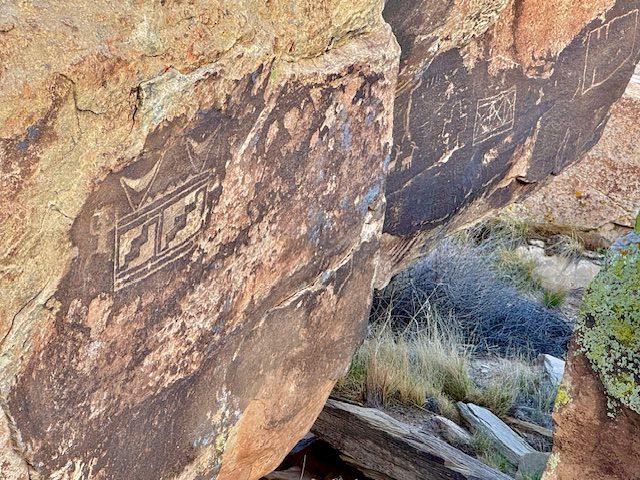
Newspaper Rock is one of the most visually striking things to do in petrified forest national park, featuring hundreds of petroglyphs carved into a large rock surface. These intricate carvings resemble a collection of ancient “headlines,” which is how the site got its name.
A short paved trail leads to a viewing platform overlooking the rock, allowing you to safely observe the petroglyphs without damaging them. From this vantage point, you can spot a wide variety of symbols—animals, human figures, and abstract shapes—each telling a story from centuries ago.
While the exact meanings of many carvings remain unknown, archaeologists believe they may represent spiritual beliefs, daily life, or important events. It’s fascinating to imagine the conversations and traditions that led to their creation.
This stop doesn’t take long, but it’s incredibly memorable. It’s also a great complement to nearby Puerco Pueblo, as both sites highlight the deep cultural history of the region. Be sure to bring binoculars or zoom in with your camera to fully appreciate the details. Newspaper Rock offers a quiet, thought-provoking experience that adds depth to your journey through the park.
6. Blue Mesa Scenic Road
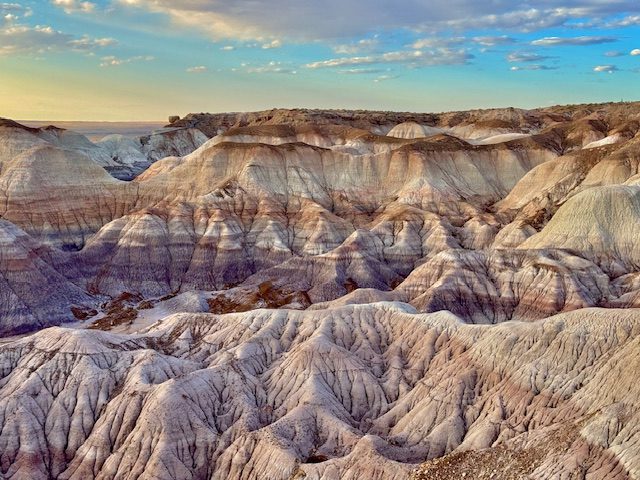
The Blue Mesa Scenic Drive is easily one of the most unique things to do in petrified forest national park, showcasing landscapes that feel almost otherworldly. This short loop road takes you down into a basin filled with blue, purple, and gray badlands, dramatically different from the red tones seen elsewhere in the park.
The highlight here is the Blue Mesa Trail, a moderately short but slightly steep loop that descends into the heart of the formations. Walking among these layered hills gives you a completely different perspective compared to the overlooks above. The textures, colors, and shapes are incredibly photogenic, especially under bright sunlight.
Along the trail, you’ll also encounter scattered pieces of petrified wood, blending beautifully with the colorful terrain. Interpretive signs help explain how these formations were created over millions of years.
Even if you’re short on time, the scenic drive alone is worth it. But if you can, take the 1.0-mile hike. It’s one of the few places in the park where you can fully immerse yourself in the landscape. Blue Mesa is a standout stop that feels unlike anywhere else in the Southwest.
7. Agate Bridge
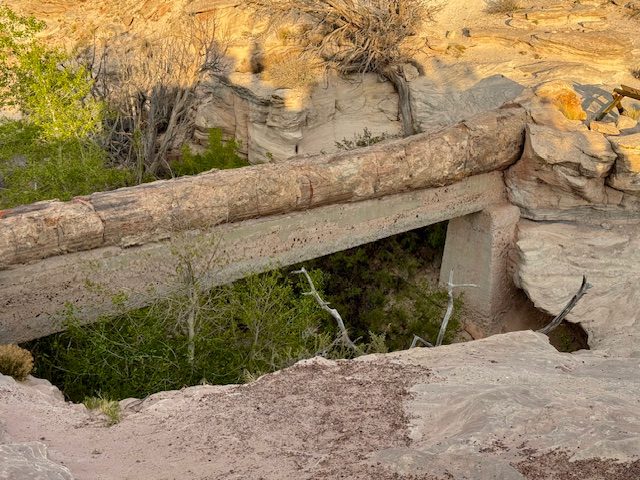
Agate Bridge is one of the more unusual things to do in petrified forest national park, featuring a massive petrified log that has formed a natural bridge over a small wash. Measuring about 110 feet long, this ancient tree has been preserved and elevated by erosion over millions of years.
A short, paved path leads from the parking area to a viewpoint where you can see the bridge. While visitors were once allowed to walk across it, it’s now protected to prevent damage. Even from a distance, it’s an impressive sight and a testament to the incredible geological processes at work in the park.
What makes Agate Bridge especially interesting is its delicate balance. At one point, it was reinforced with concrete supports to prevent collapse, highlighting just how fragile this natural wonder can be.
This stop is quick and easy, making it a great addition to your one-day itinerary. While it may not take long to explore, it’s a unique feature you won’t see anywhere else. It’s a reminder that even a single fallen tree can become something extraordinary over time.
8. Crystal Forest
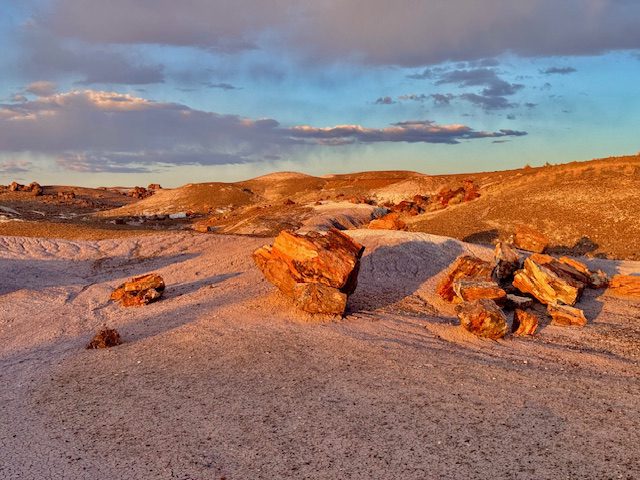
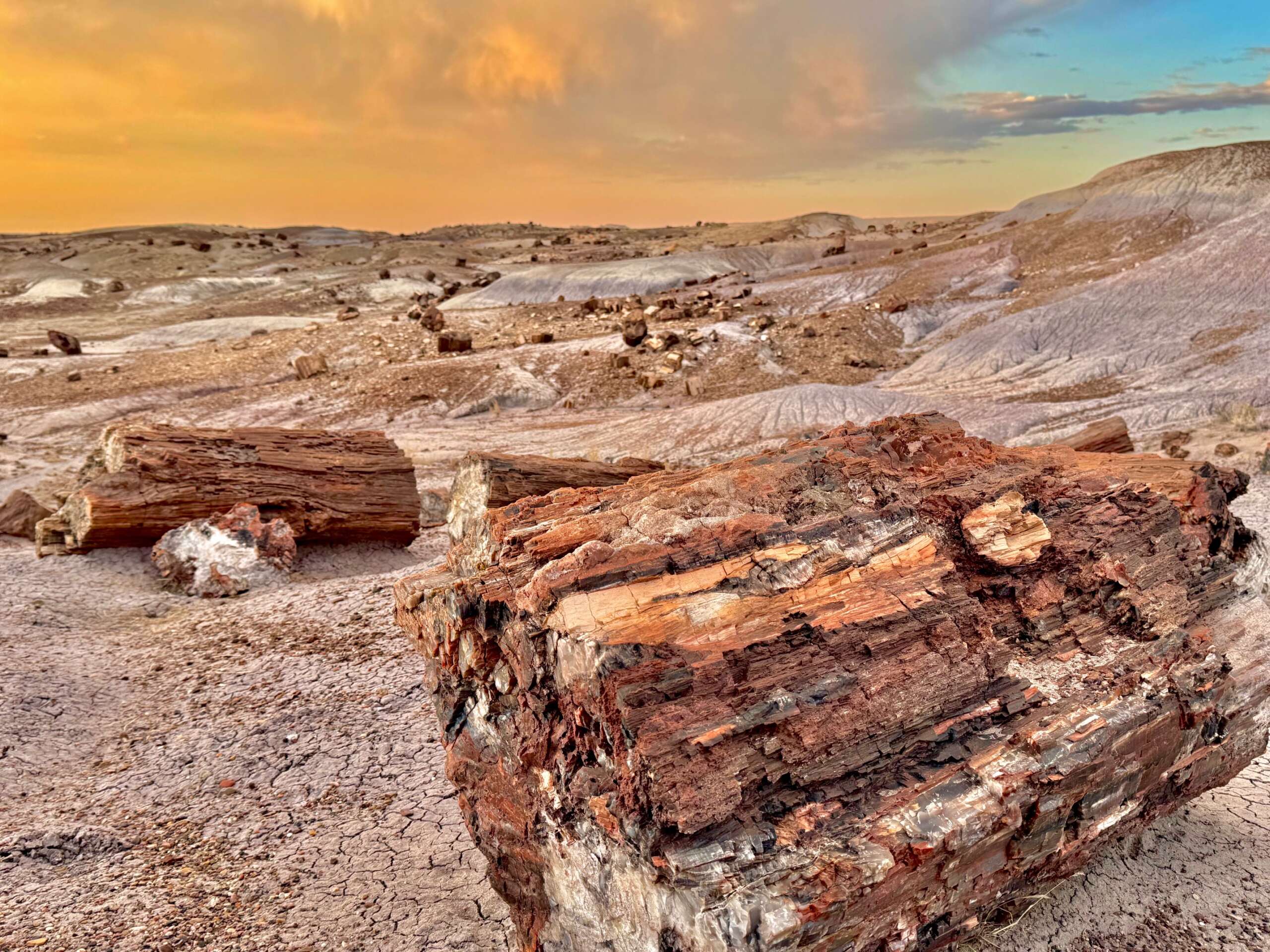
Crystal Forest is one of the most dazzling things to do in petrified forest national park, offering an up-close look at some of the park’s most colorful petrified wood. This area gets its name from the sparkling quartz crystals found within the fossilized logs, which shimmer beautifully in the sunlight.
A relatively easy loop trail winds through the area, allowing you to walk among dozens of fallen trees that have turned to stone over millions of years. The colors are incredible with deep reds, oranges, yellows, and even purples created by minerals that replaced the original wood.
Unlike some other areas of the park, Crystal Forest feels dense with petrified logs, making it one of the best places to truly appreciate their scale and beauty. Interpretive signs along the trail explain how these ancient trees were preserved and transformed.
This is a great spot for photography, especially in the early morning or late afternoon when the light enhances the colors. It’s also a peaceful place to slow down and take in the details. Crystal Forest perfectly captures the magic of the park and is a must-see stop.
9. Giant Logs
Saving one of the most iconic stops for last, Giant Logs is among the most impressive things to do in petrified forest national park. Located near the south entrance off US-180, this area features some of the largest and most colorful petrified logs in the entire park.
The highlight is “Old Faithful,” a massive petrified tree trunk that measures nearly 10 feet in diameter at its base. Seeing it up close is truly awe-inspiring and gives you a sense of just how enormous these ancient trees once were.
A short, paved loop trail takes you past several other large logs, each with its own unique patterns and colors. The wood here is incredibly well-preserved, with visible rings and textures that tell a story millions of years in the making.
There’s also a museum and gift shop nearby, making this a convenient final stop before exiting the park. It’s the perfect way to wrap up your journey, leaving you with one last unforgettable look at the wonders of this unique landscape.
You May Also Be Interested In
How to Spend 7 Days on the Phoenix to Grand Canyon Drive
8 Things to Do in Page, Arizona
Discovering Northern Arizona in 4 Days
The Best of Sedona: Things to Do
Sedona 3-Day Itinerary: A Perfect Weekend Getaway